
מאמרים נוספים בגיליון

גיליון מס. 1 - אוקטובר 2021

קו אפק מקוון 2021/1 – דבר המערכת

אנחנו שמחים להשיק את הגיליון הדיגיטלי הראשון של קו אפק.

בספטמבר 2000 יצא לאור הגיליון הראשון של קו אפק.
אבי נוטקביץ, שהיה אז יו"ר אפק, כתב בין השאר בדברי ברכתו:
"אפק כותבת" היא כמובן דרך נוספת לקדם את הרעיונות, אך היא בעיקר יצירת מרחב לייצור של רעיונות חדשים, להמשגות חדשות, לעיבוד נוסף של התנסויות; היא אפיק נוסף לתעל דרכו יצירתיות; היא גם אפיק נוסף של תקשורת ביננו לבין עצמנו, בינינו לבין העולם.

סילביה זילברמן ואילנה ליטוין בדבר המערכת כתבו:
אחרי לבטים שנעו בין צניעות מופרזת לשאפתנות גרנדיוזית, בין כוונה להוציא דף מידע אינפורמטיבי יבש, לבין רצון לגבש ז'ורנל מקצועי מהוקצע, החליטו חברי הוועדה להשיק עיתון שיעודד כתיבה חווייתית וספונטנית גם אצל אלה מאתנו שנרתעים מכתיבה עבור העיתונות המקצועית הממוסדת.

העיתון יצא כל שנה, עלה, התפתח והתרחב וגם חברי המערכת שלו התחלפו במהלך השנים. בדצמבר 2011 יצא גיליון מס' 12 שהיה גם האחרון. מאז הוא נרדם לעשר שנים. במערכת עלה הדימוי של 'היפיפייה הנרדמת' שמחכה לנסיך שיבוא, ייתן לה נשיקה, ויעיר אותה מתרדמתה.

המחשבות הראשונות לחדש את קו אפק במתכונת דיגיטלית, בעידודה של הנהלת אפק, עלו לפני למעלה משנתיים, עוד טרם פרוץ מגפת הקורונה, והתחילו במפגשים בין סיווני שירן ובין ירמי הראל. סיווני נאלצה לפרוש והוקמה מערכת חדשה הכוללת את אליאת ארם, ירמי הראל ושלי זוסמן: מי שהייתה מעורכות הגיליונות הראשונים, מי שהיה מעורכי הגיליונות האמצעיים ומצטרפת חדשה למערכת, בתקווה לשילוב של ישן וחדש, מסורת וחדשנות, נושא חשוב בפני עצמו בתחום של יחסי קבוצות.

נושא הגיליון, המפנה את המבט לארגון ולהתארגנות בימי מגיפה, מזמין התבוננות בהשפעות המגיפה על המערכת החדשה שקמה בתקופה זו. ההאצה הדיגיטלית בימי קורונה והשינוי הטרנספורמטיבי בתפיסת מיקום ומרחב, הסירו מגבלות לחברות גלובלית, שהפכה "טבעית". גם הכלים הטכנולוגיים הפכו "טבעיים", והמערכת נעזרה בטכנולוגיה הזמינה של זום, וואטסאפ, דוא"ל וקבצים משותפים לעבודה השוטפת ולתקשורת עם כותבי המאמרים ואנשים נוספים שלקחו חלק וסייעו בהפקת הגיליון. תוכניות למפגש מערכת בישראל בוטלו עם הטלת הסגרים ומגבלות התנועה, כך שלמעשה, כמו צוותים רבים בתקופה זו, המערכת פעלה במרחב המקוון ולא נפגשה פיסית מאז הקמתה ולאורך תקופת העבודה על הגיליון.

מגפת הקורונה נתנה משנה תוקף לחידוש כתב העת במתכונת מקוונת, כזו שנגישה וזמינה מעבר לגבולות של זמן, מרחב ושפה, ומזמינה ביטוי במגוון כלי תקשורת וסגנונות, כמו וידיאו ודימויים חזותיים. כמו בחוליות הקודמות בשרשרת קו אפק, גם במהדורה הדיגיטלית המחודשת מקופלת המשאלה לספק מרחב יצירתי ומשחקי לעיסוק בתחומי הדעת של אפק, מרחב לביטוי רעיוני וחווייתי, לאיסוף ועיבוד התנסויות ולתקשורת בתוך קהילת החברים ובינה לבין העולם.

משימה זו חברה לאתגר העכשווי של חיפוש אחר דרכים חליפיות וערוצים נוספים למפגש ולשיח. כך למשל, הפלטפורמה הדיגיטלית של קו אפק מאפשרת תגובות בדף המאמר, כערוץ מסוג זה. האם ניתן לחשוב על "מודל היברידי" באפק, שחלקו מפגשים פיזיים, חלקו מפגשים מקוונים וחלקו בקו אפק המקוון? ימים יגידו.

חלקו הראשון של הגיליון מכיל שלושה מאמרים העוסקים, מזוויות שונות, בחוויית הלמידה מסדנאות או על-סדנאות דיגיטליות. כולן התרחשו במשך חודשי המגיפה. נפתח עם מאמרן של רונית קרק ומרים שפירא הבוחנות את ניסיונן כמשתתפות בכנס החלוצי של eGRC ב 2020. התמה המרכזית, סביב השאלה או התחושה של שמיטת האינטימיות בכנס עם סמכות דיגיטלית, עורר במערכת חשיבה מיידית ואכן כללנו תגובה על נושא השמיטה מירמי הראל.

ה"מאמר" השני הוא למעשה מארג של תרומות מהמנהל, אנשי צוות ומשתתפים, של הסדנה המקוונת שהתרחשה פברואר 2021 ושהוקדש לה ערב אפק ביוני השנה, אותו הובילו סמדר אשוח ואמיר שרף, שאת תוכנו ניתן למצוא כאן.

החלק הזה של הגיליון נחתם עם מאמר מטה-למידה מסדנאות דרך סדרת ערבי למידה בזום. המאמר הוא פרי עריכתה של מירה ארליך-גינור שניהלה שלושה ערבי אפק בזום בסתיו 2020, בין גלי הקורונה, עם המשימה המרכזית – למידה מסדנאות.
החלק השני של הגיליון גם הוא מכיל שלושה מאמרים, שעוסקים בשאלה שהצגנו ב'קול קורא' על אפק כמתארגן ועל חוויית המנהיגות בצבעיה השונים בשנות המגיפה.
אנו פותחים במבט יושבת הראש, יעל שנהב שרוני, על ניהול אפק – הארגון כארגון – בימי מגיפה, ריחוק פיסי ואי וודאות.

ממשיכים במאמר חושב מחבר אפק, גבי בונויט, על הקבוצה מתוך חברי אפק לבחינת יחסי קבוצות וקורונה – בו הוא נוגע בנושאים שנחזור אליהם מאוחר יותר – זכרון, אחרות וזרות.

מסיימים בתרומתו של לזלי בריסט, מנהל התוכנית ליחסי קבוצות במכון טוויסטוק בלונדון, ששלח גם הוא מאמר חושב על זהות, השתייכות וחוויית הדיגיטאלי בימי מגיפה מזוויתו כמנהל. מאמר זה גם עורר תגובות עמוקות בקרב חברי המערכת ותמצאו כאן תגובה של שלי זוסמן לרעיון של "a person in a body".
החלק השלישי והאחרון של הגיליון מוקדש לזכרה של חברתנו היקרה ג'ודי לוי שהלכה לעולמה בטרם עת ובטרום המגיפה. ערב הזיכרון למותה באוגוסט 2019 בביתו של יגאל גינת בירושלים הוא לכשעצמו אולי אחד הזיכרונות האחרונים לפני המגיפה של חברי אפק בצוותא, מדברים, בוכים, זוכרים ושרים את ג'ודי.

כאן תמצאו מקבץ ראיונות, חלקם מוקלטים, חלקם כתובים, של חברים שזוכרים את ג'ודי; את המאמר המקורי של ג'ודי מ 2011, Memory Lost and Memory Found, עם תגובתה המקורית ועם תוספת עכשווית מגבריאלה בראון, זיכרון שנעטף בעריכה רגישה, אחראית ואוהבת בידיהן של ליילה ג'מאל ומירי צדוק.

נראה לנו שאולי ג'ודי היא היפהפייה הנרדמת שלנו, שעוזרת לנו להתעורר ולעורר את קו אפק. למרות שלא כמו באגדות, איננו יכולים להחזיר אותה לנשום בתוכנו, אנו יכולים לנסות ולהמשיך תוך שהיא נושמת מתוך זיכרונותינו.

מקווים שתהנו מהגיליון ושנשיקותיו השונות יעוררו אתכם לתרומות בעתיד.

להתראות,
המערכת.
שלי, ירמי ואליאת. ספטמבר 2021.

המערכת רוצה להודות בראש ובראשונה לאילן קירשנבאום, על שותפות הדרך והסיוע במימוש המהדורה הדיגיטלית.
להנהלת אפק, שאישרה כספים שעזרו במימוש הגיליון, בעיקר בעריכה של הקטעים המוקלטים.
וכמובן לכל הכותבים והתורמים – הרי אין עיתון בלי תוכן.

גיליון מס. 2 - נובמבר 2022

English follows the Hebrew

קו אפק המקוון #2

דבר המערכת
שמחים להניח לפניכם את הגיליון השני של קו אפק המקוון. בהכנת הגיליון יכולנו לזהות את המאפיינים של לעשות דבר "בפעם השנייה". בגיליון השני של קו אפק בשנת 2001, אילנה ליטוין, סילויה זילברמן ואליאת ארם כתבו בדבר המערכת:
"כולנו מכירים את פרץ האנרגיה המזין התחלה חדשה, ראשית יצירה. קשה הרבה יותר לגייס אנרגיה כדי להתמיד בעשייה ולהשקיע בתחזוקה".
תחושות אלה שליוו את הכנת הגיליון "בפעם השנייה" התלכדו עם נושא הגיליון, שכותרתו "על כמיהה, תנועה ואף-על-פי-כן". בהשראת מילות השיר הידוע* המצביעות על "הדרך המתמשכת" וההכרח "לנוע-לנוע" בהתמדה ובנחישות, תהינו מה משמעות התנועה בימים אלה, בהם הדרך מתמשכת, נסוגה, עומדת במקום – איך נעים הפרטים, הקבוצות, הארגונים, החברות, הקהילות? היכן נפגשים הכמיהה למגע אנושי וקרבה עם תנועה ותנועתיות? ומהיכן המשאבים להמשיך למרות הכל ואף-על-פי-כן?**
זיהינו את מעגליות התנועה באפק בקיומה של סדנת יחסי-קבוצות בשיתוף אוניברסיטת ת"א "להיות מטפל בעת הזו" בניהולם של יוסי טריאסט ומשה ברגשטיין. הסדנה בוטלה פעמיים בימי קורונה, הדרך התמשכה, ולבסוף התקיימה בספטמבר האחרון עם מספר משתתפים גבוה במיוחד. מה מקומן של הכמיהה, ההתמדה והנחישות בשגשוגה של הסדנה, למרות הכל ואף-על-פי-כן?
אף המאמרים בגיליון זה מתאפיינים בתנועה מעגלית של חזרה לאחור והליכה קדימה. האשכול הראשון, ובו שני מאמרים, עוסק בתובנות משנות הקורונה, הקשורות לבדידות, תנועה ואי-תנועה. תחילה, מאמר חושב מאת שמואל ברנשטיין העוסק במצוקות הבדידות וחוסר-התנועה, ובאמצעות חזרה ל-"La Solitude" של שארל בודלר מציע דרך חדשה לחשוב את "החלל הריק". לאחריו, סיימון ווסטרן נוגע בשאלות של בדידות, נתק ומלנכוליה בעידן הדיגיטלי, ודן בהן באמצעות מקרה בוחן של טייסי מל"טים בחיל האוויר האמריקאי.
האשכול השני בגיליון כולל שלשה מאמרים הנובעים ישירות מפעילות אפק וחשיבת יחסי-קבוצות. המאמר הראשון, מאת אייל עציוני וחגית שחר-פרירא חוקר ברגישות ומתוך חוויית ההשתתפות את התהליכים בקבוצת קריאה בטקסטים פסיכואנליטיים-מערכתיים שהתקיימה לאורך ארבע שנים, ומציע חיבור בין למידה לאוכל. במאמר "דמעות של מנהלן" העוסק אף הוא בחוויית ההשתתפות, אורי וייל פורש בהומור נוגע ללב את נקודת מבטו כמנהלן בצוות סדנת יחסי-קבוצות בחודש יולי האחרון. חלק זה מסיים במאמר חושב מאת גילעד עובדיה הבוחן הוספה של מארגן רביעי – Testing Reality – ל 3T המקוריים (Time, Task, Territory), שתרומתו חיזוק התנועה בעבודה ארגונית בין האידיאלי למציאותי.
הגיליון נחתם בתרומתן של שתי אורחות השואלות "תנועה לאן"?
גילי יובל, סופרת ומשוררת העוסקת בעולם העבודה, מצביעה על המתח שבין בדידות ותנועת-הדרך ועל הכמיהה לשימור הלבדיות, ומציעה פתרון לימינלי של נסיעה-לשום-מקום.
קורין ארצ'ר מגיבה לשיר הקדום המצווה "לנוע-לנוע בדרך המתמשכת" עם שירים וקולות עכשוויים ומציבה בפנינו שאלות של קשב פנימי ובחירת הדרך.
תודתנו לכל הכותבים והתורמים, ולאילן קירשנבאום על הנחת הגיליון באתר אפק החדש.
מאחלים קריאה מהנה,

להתראות,

המערכת.

ירמי, אליאת ושלי.

נובמבר 2022.

* "זה קורה" / מילים ולחן שמואל קראוס

** קול קורא לקו אפק המקוון #2

Digital Kav Ofek #2

Editorial

We are delighted to put forward Kav Ofek’s 2022 – the second digital edition. In preparing this edition, we could identify characteristics of doing something for the ‘second time’. In the second edition of Kav Ofek in-print, in 2001, Ilana Litvin, Silvia Silberman and Eliat Aram, the then editors, wrote:
“we are all familiar with the burst of energy that comes with beginnings, with a genesis. It is much harder to generate energy in order to persevere in creating and invest in maintenance”.
These similar feelings, that accompanied the preparation of the second edition echoed the title: “on longing, movement and nevertheless”. Inspired by the famous lyrics* pointing to the “ongoing journey” and the necessity to relentlessly “keep on moving”, we have wondered – what is the meaning of ‘movement’ these days, when the journey seems to go on and on, regresses, comes to a stand-still – how do individuals, groups, organisations, societies, communities move? Where do longing for human touch and closeness meet movement and moving? Where do we find the resources to keep on moving nevertheless and despite it all?**
We have recognised the circularity of movement in OFEK in the very recent GRC which took place with TAU entitled “Being a Therapist at this time” under the leadership of Yosi Triest and Moshe Bergstein. The GRC was cancelled twice during the pandemic, the journey extended, and eventually it happened this last September with a significant number of participants. What has been the place of longing, perseverance, determination, in the success of this GRC, despite it all and nevertheless?
The articles in this edition are also characterised by the circular movement of back and forth. The first cluster includes two articles dealing with insights from the Corona years, and relate to loneliness, movement and stuckness. First, a thought piece from Shmuel Bernstein dealing with loneliness and lack of movement, and – through re-examining Baudelaire’s La Solitude- offers a new perspective to think of the “empty space”. In the second thought piece, Simon Western touches on questions of loneliness, isolation and melancholy in the digital age, and discusses them through a case study of drone pilots in the USA air force.
The second cluster includes three articles emerging directly from OFEK-related activities and Group Relations thinking. The first, by Hagit Shachar-Paraira and Eyal Etzioni, examines sensitively and from the perspective of the participant, the processes in a reading group of systemic-psychoanalytic papers, which took place over a period of four years (including during covid and lockdown and a return to in-person), suggesting a relationship between learning/study and food/feeding. In the paper “tears of an administrator” which also deals with the experience of participating, Ori Weyl shares his experience of being a GRC administrator this past July with a touching humorous style. This section concludes with a thought piece from Gilad Ovadia which examines the addition of a fourth T boundary, in addition to the original three of Task, Territory and Time. He suggests that of reality Testing, which contributes the strengthening of movement between the ideal and the real in organisational work.

This edition is sealed with the contributions of two guest writers, asking us – “moving – where to?”
Gili Yuval, poet and writer dealing with the world of work, points to the tension between loneliness and a road-trip type movement, to the longing for solitude and suggests a ‘solution’ of a journey-to-nowhere.
Coreene Archer’s thought piece responds to the ancient song “keep moving on the ongoing journey” with contemporary voices and songs and challenges us to examine for ourselves questions of choice and internal listening.
Happy reading and please do use the comment boxes to share your reflections, questions and thoughts.

The Editors

Yermi, Eliat and Shely

November 2022

* “Ze Kore” (It Happens) / Lyrics Shmulik Kraus

** Call for Papers Kav OFEK #2

גיליון מס. 4 - ינואר 2026

English follows Hebrew

דבר המערכת

"כשהבית ריק, לא משנה מי צודק" 

גיליון זה החל בריק גדול, בתחושה של חלל מדוכא – רגשית, אינטלקטואלית, חברתית ופוליטית. שלחנו קול קורא לחומרים לגיליון בזמן בו פיצולים גוברים מעל כל ניסיון של חיבור, ריפוי או שיקום. גם בתוך אפק תקופה זו התאפיינה בתכתובות מושחזות, והתחושה הישנה והמוכרת, לפיה הצורך להיות צודק.ת גובר על הצורך להתחבר ולהתפייס, זוחלת ומשתלטת. הגיליון הרביעי של קו אפק השתתק שוב. 

אף-על-פי-כן ולמרות הכל, המשכנו במלאכת התקנת הגיליון, בין שיתוק לתנועה. כותבים החלו לשלוח את תרומותיהם המובטחות; טקסטים ישנים נראו רלוונטים לפרסום מחודש בתוך ההקשר הנוכחי. הבית החל להתמלא שוב, והמכל האינטלקטואלי של אפק תפס צורה והתייצב לבסוף לגיליון הרביעי של קו אפק הדיגיטלי. 

מה תוכלו למצוא בגיליון הנוכחי? החומרים שונים מאוד זה מזה, גם בצורה וגם בתוכן. אך המשותף והמאחד הוא  העיסוק בזיכרון ובמוות; הניסיון ללמוד את העבר מתוך הבלחותיו בהווה, לרבות טראומה וטראומה בין-דורית;  וכן הקשב לכאב כמו גם לתקווה בדינמיקה הבין-דורית, המתגלמת דרך מופעים של ירושה ומורשת. 

הגיליון נפתח במכתבו של ד"ר מאני שר, דמות-אב באפק ובמכון טוויסטוק, העוסק בימים אלו במשמעות האישית של מורשת, שאף פרסם לאחרונה ספר בצורת מכתבים לילדיו ונכדיו. לבקשתנו, הוא כתב מכתב תבונה שכזה עבור הגיליון הנוכחי. לאחריו מופיע ראיון מצולם עם פרופ׳ יגאל גינת, מאבותיה הראשונים של אפק ודמות מופת ביישום החשיבה של יחסי-קבוצות בעבודה מערכתית וארגונית. בשיחה עמוקה עם ירמי הראל, יגאל פורש מסע חיים של עשייה בתחומי הבריאות והרווחה, כמו גם תובנות אישיות על אובדן ואבל. 

מאמרו של נימרוד הראל, ״הפגיעה הרביעית״, מציע מחשבה נועזת: ההתפתחויות המואצות בתחום הבינה המלאכותית עלולות לכונן פגיעה נרקיסיסטית נוספת באנושות, בהמשך לשלוש הפגיעות שזיהה פרויד (הקוסמולוגית, הביולוגית והפסיכולוגית). המאמר חוצה דורות במובן האנושי-התפתחותי ובוחן התפתחויות טכנולוגיות בתחום הAI, ועל כן כללנו שתי תגובות למאמר: אחת מאת ד"ר קובי תדמור ואחת מאת AI עצמו. המאמר חוצה דורות במובן נוסף ואישי: נימרוד הוא בנו של ד"ר ירמי הראל, חבר ותיק באפק ומעורכי קו אפק. מעשה זה מספק חוויה חיה לתוך ההיבטים היצירתיים, הפוריים והמספקים של המשכיות ושל שיח בין-דורי.

בת-אל פרידמן מציעה מבט כן ופגיע על חוויית האחרוּת באפק. זהו טקסט שמערער את ההנחה כי מרחבים פלורליסטיים וחוקרים – כפי שאפק מחשיבה את עצמה – חפים מדינמיקה של הדרה. בת-אל, חברה צעירה יחסית באפק מבחינת ותק וגיל, מביאה קול רגיש וחד, ועקב כך מספקת מבט נוסף לתוך העניין הדורי. 

גלי גורן כותבת על שתי סדנאות שהתקיימו ״תחת אש״ במהלך השנה החולפת. הסדנאות, אותן הנחתה יחד עם עמיתיה במסגרת הזמנה מעמותה לחיילי סדיר ומילואים, נועדו לעבד חוויות של פרידה ופירוק שנולדו מן המלחמה. מתוך עבודה זו עלה גם העיסוק ב״פגיעה מוסרית״ – פצע נפשי הנוצר כאשר אדם נחשף לאירועים הסותרים את ערכיו הבסיסיים, תופעה שכיחה במצבי מלחמה.

יעל שרוני ועמיתיה חוזרים אל אירוע שנערך לפני שמונה שנים, שעסק בשחיתות כסמפטום של מחלה חברתית עמוקה. הקריאה לאחור מטלטלת: הדברים שנאמרו אז מהדהדים היום כנבואה שלא נלמדה, כהיסטוריה החוזרת על עצמה ואף מקצינה.

שיחה אינטימית מלב אל לב, בין שני גברים, גילעד עובדיה – יו״ר אפק הנכנס – ויואב קירש – היו״ר היוצא ועכשיו מנכ"ל חברה – מתמקדת בפגיעוּת הכרוכה בתפקידי הובלה ומנהיגות. דרך התבוננות במעברי תפקיד עולה ההיבט האנושי במעברים בין-דוריים של פרידה והורשה. 

ולבסוף, אורלי אפללו-קמיל מובילה בדרכה הרגישה שיחה עם שבעה מחברי אפק, שתרמו פרקים לספר ״יושבים על מזוודה״. השיחה מבוססת על השערת הספר כי הזהות היהודית – כחוויה נפשית מתמשכת, המעוצבת על ידי רדיפות, הגירה וטראומה בין-דורית – השפיעה עמוקות על הבחירות המקצועיות והאישיות של הכותבים.

יצאנו לדרך עם הזמנה לחומרים ברוח הרוורי של ביון – ללא זיכרון וללא תשוקה. מתוך כך, מעל ומעבר לציפיות, התהווה מארג עשיר של זיכרונות חיים, חוויות שעובדו מחדש ונשזרו אל תוך הווה שמציע, למרות הכול, תקווה, חיוּת ואפשרוּת – דווקא בתוך נסיבות קודרות במיוחד.

אנו מקווים שתמצאו בקריאה, בצפייה ובהאזנה חוויה מחממת, מחברת ומעוררת מחשבה – בימים חורפיים אלה.

מערכת קו אפק

אורלי, שלי, ירמי ואליאת.

ינואר 2026


Editorial

Letting go to letting be/ “when the home is empty, it doesn’t matter who is right” 

This edition started from a big emptiness – a depressed void – emotional, intellectual, social and political. We sent the call out in a time where splits seem to persevere over any attempt at connecting, healing or rehabilitating. Inside OFEK too there were exchanges characterised by the sound of the pencils being sharpened, and that old, familiar feeling of the need to be right, toppling the need to connect and make peace, was creeping up on us. The fourth edition of Kav OFEK stalled again then into silence. 

And then, yet again and despite it all, the editorial board continued. People started sending their promised contributions, including some where the context made us feel right to revive them, or to publish them again, as part of another frame.   The house started to refill, OFEK’s intellectual home began to shape up into what would become its fourth offspring. 

What can you expect to find in this edition? The publications are very different from each other, in form as well as in content. But they do have something in common. In different ways, they all deal with memory, death and dying; the study of the past in the present, including trauma and inter-generational trauma; and the painful yet hopeful inter-generational dynamics including succession and legacy:

We have a letter from Dr Mannie Sher, an OFEK father-figure, and  a TIHR elder, who is positively busy with legacy and who has recently published his personal memoir in the form of letters to his children and grandchildren (in-person book launch on 25 January 2026). On our request, he has written one such letter of wisdom to the OFEK offspring. We have a video interview of Prof Yigal Ginat, one of OFEK’s first fathers and a role-model to the profundity of the model of GR into all systems and organisational understanding and work. Speaking poignantly to Yermi Harel, Yigal takes us through a tour-de-force of a life-long activity in health and social care informed by the GR principles and thought, and including reflections on personal loss, grief and solitude. 

A thoughtful and thought-provoking piece entitled ‘The Fourth Injury’ by Nimrod Harel suggests that technology, with the fast developments in AI, constitute the fourth injury, should Freud was alive today to have defined it (Freud identified three core narcissistic injuries to the Human species as offered through scientific developments over the centuries: cosmological, biological and psychological). This article swims across a couple of generational rivers: human development and the examination of AI – so we include two responses to Nimrod Harel’s paper, one by Dr Kobi Tadmor and one by AI itself. The other generation river is the personal one: Nimrod is the son of Dr Yermi Harel, one of OFEK’s senior members as well as one of Kav OFEK’s editors. Here, the creative, fruitful, satisfying and proud-making aspects of succession and generational discourse. 

The contribution from Batel Friedman is a self-reflection on the experience of being an Other, in OFEK, and the pain and vulnerability that accompany. It is a striking article that highlights that “even” in OFEK, that is supposed to be an inclusive and pluralistic society, the experience of Otherness, and othering is very alive. Bat-El is a younger member of OFEK both by age and by years of membership so here, again, the dynamic of the generations appears. 

Gali Goren (et al) describes and reflects on two workshops conducted ‘under fire’ during 2025 with the primary task of digesting experiences of separation and endings, as a result of war. The work was commissioned by a charity called ‘for tomorrow’ that asked the team to run further workshops on this issue as well as on ‘moral injury’, a traumatising experience that occurs when a person is exposed to events that challenge their  values and principles, an injury that often occurs in war and conflict situations, where persons are at risk of dying.  

Yael Sharoni (et al) returns to reflect and draw lessons from a workshop alerting that corruption is not only a social phenomenon but a symptom to a deep and problematic social disease. The event took place eight years ago and feels like a premonition to what was to come. An eerie reminder of how we do not learn from our history, or past, and repeat or even expand our mistakes. 

A conversation between Gilad Ovadia, incoming and current Chair of OFEK, and Yoav Kirsch, outgoing Chair of OFEK and current Company CEO, explores the vulnerability and potential injury as one reflects on the transitions between different leadership roles. In a heart-to-heart, a man-to-man reflection shows the humanness in succession and transition. 

And finally, Orly Aflalo-Kamil rounds up the contributions to the book Sitting on a Suitcase by seven OFEK members  in a gentle and sensitively led conversation based on the book’s main hypothesis which is that Jewish identity – being an ongoing psychological experience shaped by a history of persecution, migration, and intergenerational trauma – has shaped the professional choices of the writers. 

We called for contributions in the spirit of Bion’s reverie, without memory or desire, and what has emerged is that and more, a rich tapestry of memories, re-membered experiences re-thought and re-integrated into a present which has freshness, hope and possibility in a context which could have hardly been any darker. 

We trust you will enjoy reading, watching and listening, and feel the weaving together warming you up on these cold winter nights.   


Orly, Shely, Yermi and Eliat

The Editorial Team
January 2026

Presence and Absence: Melancholia and confusion in the digital age

A psychoanalytic perspective drawing on the experience of US drone pilots
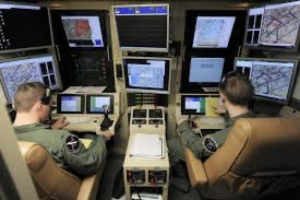
Drone Control Room

Simon Western

Introduction

This essay draws attention to how today’s digital society transforms not only the material world (how wars are fought), but it also changes our psycho-social world i.e. how people relate emotionally to their inner-selves, to each other, and to the social contexts in which they live and work. It offers a psychoanalytic interpretation of how working across the virtual and physical realms, creates dissonance, melancholy and confusion in the digital age.

The essay draws on the example of US Air force drone pilots, operating from a home base in the USA, attacking and killing enemies ‘virtually’ then returning to their homes after their ‘killing work’. As reported in a recent NY Times article1 (cited in this essay in italics) drone operators are suffering stress on an epidemic scale so that flights are being cut back.

Our affective and emotional states, are not simply a soft after-effect of experiencing the material world, they are symbiotic to each other. The material world shapes our affective state and vice versa. In this case drone pilots are impacted by the work, families are affected, in turn flights are seriously reduced due to high stress levels, (and perhaps the errors made by pilots are also linked to their high stress levels, which is ignored in the NY article). Emotions and affects are a life and death matter. In particular the essay reveals the problematic of working between the virtual and real world, and how this complicates our emotional and psychological experience of being present and absent.

The experience of drone operators

Drone pilots are worn down by the unique stresses of their work “We’re at an inflection point right now,” said Col. James Cluff, the commander of the Air Force’s 432nd Wing”

Putting aside the question of whether or not USA drone attacks are ethical, rational or desirable, I want to explore the impact of using computer technologies and operating in the virtual domain, and how easily we make wrong assumptions about the psycho-social dynamics that occur. This recent NY times article challenges 3 assumptions that are made, and two other points are raised by myself.

Point 1. Assumption Physical distance from the warzone makes the killing less real, and more easily dealt with for the ‘pilot’

Correction 1. Physical distance doesn’t make any significant difference, in fact it may be worse. In some ways the drone operator is closer to the killing and gore, because unlike an airline pilot who sees the damage from a great height and speed whilst flying over the strike area, the drone operator revisits the site and the video replays are studied in close up detail to assess the strike. Whilst the drone operator is thousands of miles away, emotionally they may be a lot closer to the consequences and violence inflicted on others by their actions. This is particularly horrifying when innocent civilians and children or their own men get killed in error.

Point 2: Assumption . ‘Virtual’ killing mediated through a computer screen is less ‘real’ and therefore less stressful than when in the warzone.

Correction 2. The killing appears to be no-less real in its impact on the operators.

A Defense Department study in 2013, the first of its kind, found that drone pilots had experienced mental health problems like depression, anxiety and post-traumatic stress disorder at the same rate as pilots of manned aircraft who were deployed to Iraq or Afghanistan.

As mentioned in point 1. the close up reviewing of the killing can make it more real, and the assumption that it’s like a fantasy war-game seems to underestimate our human capacity to differentiate between reality and fantasy games. Perhaps in reverse when a susceptible person plays fantasy war games they may be more vulnerable to shoot up a school, or commit a terrorist act because their real and virtual worlds are blurred, but mature drone operators seem as equally vulnerable to stress as ‘real’ pilots, suggesting that they know the difference at a deep level.

Point 3:. Assumption Being close to family and community gives the drone operator more support.

Correction 3. The stress of transitioning on a daily basis between war and Walmart’s, killing at work and the kids school run; seems far too difficult to manage psychologically. The problem is increased a) because whilst air pilots are deployed to a war zone for a limited time period, the drone operators are ‘perpetually deployed’ there is no looking forward to an end or a break, b) because being deployed with ‘a band of brothers/sisters’ in a war zone provides certain rituals and camaraderie that helps contain the stress.

Having our folks make that mental shift every day, driving into the gate and thinking, ‘All right, I’ve got my war face on, and I’m going to the fight,’ and then driving out of the gate and stopping at Walmart to pick up a carton of milk … and the fact that you can’t talk about most of what you do at home….

Point 4. The impact of killing whilst being free from danger oneself

This final point isn’t mentioned in this NYT article, but I hypothesize that it might also be a factor in the drone operator’s stress. Pilots and soldiers in a warzone put their lives at risk and see colleagues at risk. Drone operators unleash violence upon others (and sometimes on innocent others) when their lives are free from danger. Does this make the killing more difficult to rationalize internally? Even if consciously they believe their killing is an act of a ‘just war’, perhaps unconsciously it is less easy to psychologically adjust to killing from afar. Does killing in rational, clinical circumstances, without the danger and risk, without the adrenalin of being in the warzone, without fear, make those doing the killing more psychologically vulnerable to an unacknowledged guilt, a dissonance between what is believed and what is felt, leading to anxiety, stress and depression?

Point 5. Techno-Utopian War without Casualties
The Drone operators may also be experiencing the fall out from the techno-utopian idea that a clean, digital war can be fought without casualties (‘our’ side) which represses and disavows the reality that war is always ugly and violent. When something is repressed it always returns, but not in obvious ways. The return of the repressed here may occur in three ways: 1) ‘Friendly fire’ and killing of their own soldiers by error, 2) the unleashing of arbitrary terrorist acts on civilians back home, that are almost impossible to defend against. 3) the repression returns in the form of internalised ‘violence’ i.e. stress, depression, anxiety and other forms of mental illness as seen in the drone operators. There are always casualties!

Discussion: Melancholia, presence and absence
Critics against drone attacks, and those who planned the drone operations believed that drone operators are less psychologically present due to their physical absence, but it seems much more complex than this. Freud writing about melancholia says;

“It must be admitted that a loss has indeed occurred, without it being known what has been lost”2

Freud theorized that when mourning and grieving doesn't get fully processed, this leaves the person in a debilitating state of melancholia. This might help us understand the psycho-social dynamics that occur when we are constantly working between the real and virtual. When working in the virtual domain, loss occurs in many ways sometimes due to physical separation and sometimes due to more nuanced factors. Whilst we feel the affect of the loss, we rarely recognize what is actually lost in translation between the virtual and physical domain. As Freud says ‘we experience the feeling of a loss but are not sure what has actually been lost’ and therefore we cannot mourn it, leaving us with the experience of melancholia.
Loss can also be enhanced by presence. Just because we are not physically present, doesn't make us absent. Physical absence can also enhance our emotional presence, and our virtual presence can evoke an affect of loss. For example the teenager in constant contact with parents or friends on cell phones and social media are virtually more present but may experience the loss of autonomy, freedom and personal space to be themselves. Another example is when talking to my children on video links when working abroad. Our live presence on the screen to each other is both a joy, but at the same time it enhances the absence i.e. the loss we feel because we are apart and know it more because of the screen presence. This experience of loss and absence of a physical presence, in turn paradoxically enhances their emotional presence within me. My children become more present to me and I then experience greater loss of not being able to hug them or be with them, and of my absence from the family and home is ever-more present in me and in them. This cyclical reinforcing of emotions that dance between presence and absence, virtual and real is a condition of our digital times.
It seems the drone operators are also experiencing a loss and melancholia that becomes somatised to depression or other mental health conditions. Perhaps a pilot fighting in the warzone processes their killing and their own personal losses of being absent from family more fully because they have a tangible context to work this i.e. they share an experience of killing, danger and loss of fallen comrades which they collectively mourn (and if they don't they often suffer when returning to civilian life).
The drone pilots loss is unrecognized and unnamed; they are at home so it’s easier right? I would suggest their loss is of being active with comrades the warzone- the adrenalin, the fear, the danger, the comraderie and the rituals that enable soldiers at war to contextualize the meaning. Also they experience the loss of being separate from civilian life during their ‘war work’, freed from some of the intimacies of family and home life The absence of the family is tough when deployed, but perhaps the presence of the family is tougher as it raises such inner conflicts and tensions. The Air Force didn't account for this in their planning. The assumption was that their absence from the war zone would make their killing work less stressful, so they planned perpetual deployment, which meant relentlessly flying drones on potential killing operations. It seems the reverse may be true; their absence from the warzone may make the killing more present to them. Finally; the unconscious guilt or dissonance that occurs when killing the other, when not in danger one-self perhaps inflicts another hidden loss. A loss of humanity and of self-esteem at an unconscious level, that cannot be integrated or spoken of, as it breaches the agreed narrative of fighting righteous war.
We have a lot of work to do on understanding the dynamics of our unfolding digital world and the psycho-social meanings and implications it evokes. The blurring between the real and the virtual worlds are creating new dynamics that are not easy to read. Assumptions about our emotional and psychological experience of physical distance and virtual engagement need constantly re-working in this digital age. The meaning of presence and absence are key to our understanding of the fluid boundaries between virtual and real.

1 http://www.nytimes.com/2015/06/17/us/as-stress-drives-off-drone-operators-air-force-must-cut-flights.html?hp&action=click&pgtype=Homepage&module=second-column-region&region=top-news&WT.nav=top-news

2 Sigmund Freud, ‘Mourning and Melancholia’, in Collected Papers, Vol. XIV, trans. James Strachey (London: Hogarth Press and the Institute of Psycho-Analysis, 1957) p. 252.

Image by S. Hermann / F. Richter from Pixabay

תגובה אחת

  1. thank you Simon. Such an important paper.
    The fact that this paper was written by someone who is not Israeli, says it all. THE taboos and the self cencorship is very much at presence

כתיבת תגובה

האימייל לא יוצג באתר. שדות החובה מסומנים *