English follows Hebrew
דבר המערכת
"כשהבית ריק, לא משנה מי צודק"
גיליון זה החל בריק גדול, בתחושה של חלל מדוכא – רגשית, אינטלקטואלית, חברתית ופוליטית. שלחנו קול קורא לחומרים לגיליון בזמן בו פיצולים גוברים מעל כל ניסיון של חיבור, ריפוי או שיקום. גם בתוך אפק תקופה זו התאפיינה בתכתובות מושחזות, והתחושה הישנה והמוכרת, לפיה הצורך להיות צודק.ת גובר על הצורך להתחבר ולהתפייס, זוחלת ומשתלטת. הגיליון הרביעי של קו אפק השתתק שוב.
אף-על-פי-כן ולמרות הכל, המשכנו במלאכת התקנת הגיליון, בין שיתוק לתנועה. כותבים החלו לשלוח את תרומותיהם המובטחות; טקסטים ישנים נראו רלוונטים לפרסום מחודש בתוך ההקשר הנוכחי. הבית החל להתמלא שוב, והמכל האינטלקטואלי של אפק תפס צורה והתייצב לבסוף לגיליון הרביעי של קו אפק הדיגיטלי.
מה תוכלו למצוא בגיליון הנוכחי? החומרים שונים מאוד זה מזה, גם בצורה וגם בתוכן. אך המשותף והמאחד הוא העיסוק בזיכרון ובמוות; הניסיון ללמוד את העבר מתוך הבלחותיו בהווה, לרבות טראומה וטראומה בין-דורית; וכן הקשב לכאב כמו גם לתקווה בדינמיקה הבין-דורית, המתגלמת דרך מופעים של ירושה ומורשת.
הגיליון נפתח במכתבו של ד"ר מאני שר, דמות-אב באפק ובמכון טוויסטוק, העוסק בימים אלו במשמעות האישית של מורשת, שאף פרסם לאחרונה ספר בצורת מכתבים לילדיו ונכדיו. לבקשתנו, הוא כתב מכתב תבונה שכזה עבור הגיליון הנוכחי. לאחריו מופיע ראיון מצולם עם פרופ׳ יגאל גינת, מאבותיה הראשונים של אפק ודמות מופת ביישום החשיבה של יחסי-קבוצות בעבודה מערכתית וארגונית. בשיחה עמוקה עם ירמי הראל, יגאל פורש מסע חיים של עשייה בתחומי הבריאות והרווחה, כמו גם תובנות אישיות על אובדן ואבל.
מאמרו של נימרוד הראל, ״הפגיעה הרביעית״, מציע מחשבה נועזת: ההתפתחויות המואצות בתחום הבינה המלאכותית עלולות לכונן פגיעה נרקיסיסטית נוספת באנושות, בהמשך לשלוש הפגיעות שזיהה פרויד (הקוסמולוגית, הביולוגית והפסיכולוגית). המאמר חוצה דורות במובן האנושי-התפתחותי ובוחן התפתחויות טכנולוגיות בתחום הAI, ועל כן כללנו שתי תגובות למאמר: אחת מאת ד"ר קובי תדמור ואחת מאת AI עצמו. המאמר חוצה דורות במובן נוסף ואישי: נימרוד הוא בנו של ד"ר ירמי הראל, חבר ותיק באפק ומעורכי קו אפק. מעשה זה מספק חוויה חיה לתוך ההיבטים היצירתיים, הפוריים והמספקים של המשכיות ושל שיח בין-דורי.
בת-אל פרידמן מציעה מבט כן ופגיע על חוויית האחרוּת באפק. זהו טקסט שמערער את ההנחה כי מרחבים פלורליסטיים וחוקרים – כפי שאפק מחשיבה את עצמה – חפים מדינמיקה של הדרה. בת-אל, חברה צעירה יחסית באפק מבחינת ותק וגיל, מביאה קול רגיש וחד, ועקב כך מספקת מבט נוסף לתוך העניין הדורי.
גלי גורן כותבת על שתי סדנאות שהתקיימו ״תחת אש״ במהלך השנה החולפת. הסדנאות, אותן הנחתה יחד עם עמיתיה במסגרת הזמנה מעמותה לחיילי סדיר ומילואים, נועדו לעבד חוויות של פרידה ופירוק שנולדו מן המלחמה. מתוך עבודה זו עלה גם העיסוק ב״פגיעה מוסרית״ – פצע נפשי הנוצר כאשר אדם נחשף לאירועים הסותרים את ערכיו הבסיסיים, תופעה שכיחה במצבי מלחמה.
יעל שרוני ועמיתיה חוזרים אל אירוע שנערך לפני שמונה שנים, שעסק בשחיתות כסמפטום של מחלה חברתית עמוקה. הקריאה לאחור מטלטלת: הדברים שנאמרו אז מהדהדים היום כנבואה שלא נלמדה, כהיסטוריה החוזרת על עצמה ואף מקצינה.
שיחה אינטימית מלב אל לב, בין שני גברים, גילעד עובדיה – יו״ר אפק הנכנס – ויואב קירש – היו״ר היוצא ועכשיו מנכ"ל חברה – מתמקדת בפגיעוּת הכרוכה בתפקידי הובלה ומנהיגות. דרך התבוננות במעברי תפקיד עולה ההיבט האנושי במעברים בין-דוריים של פרידה והורשה.
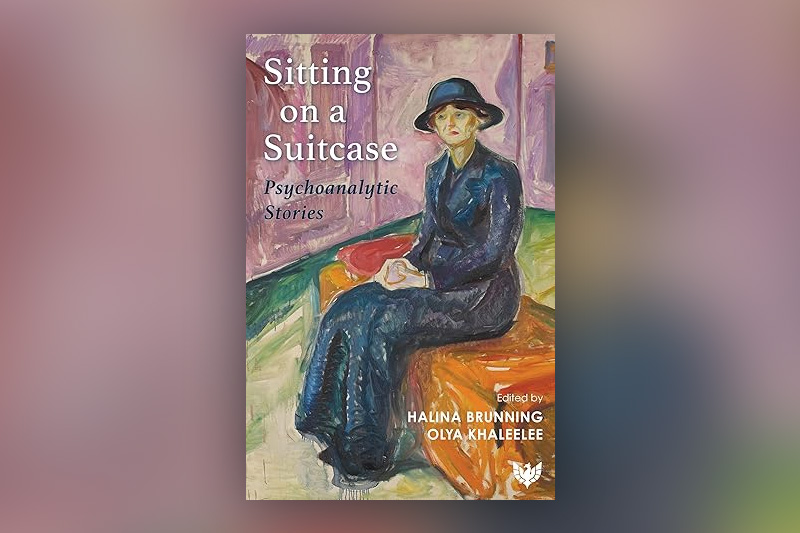
ולבסוף, אורלי אפללו-קמיל מובילה בדרכה הרגישה שיחה עם שבעה מחברי אפק, שתרמו פרקים לספר ״יושבים על מזוודה״. השיחה מבוססת על השערת הספר כי הזהות היהודית – כחוויה נפשית מתמשכת, המעוצבת על ידי רדיפות, הגירה וטראומה בין-דורית – השפיעה עמוקות על הבחירות המקצועיות והאישיות של הכותבים.
יצאנו לדרך עם הזמנה לחומרים ברוח הרוורי של ביון – ללא זיכרון וללא תשוקה. מתוך כך, מעל ומעבר לציפיות, התהווה מארג עשיר של זיכרונות חיים, חוויות שעובדו מחדש ונשזרו אל תוך הווה שמציע, למרות הכול, תקווה, חיוּת ואפשרוּת – דווקא בתוך נסיבות קודרות במיוחד.
אנו מקווים שתמצאו בקריאה, בצפייה ובהאזנה חוויה מחממת, מחברת ומעוררת מחשבה – בימים חורפיים אלה.
מערכת קו אפק
אורלי, שלי, ירמי ואליאת.
ינואר 2026
Editorial
Letting go to letting be/ “when the home is empty, it doesn’t matter who is right”
This edition started from a big emptiness – a depressed void – emotional, intellectual, social and political. We sent the call out in a time where splits seem to persevere over any attempt at connecting, healing or rehabilitating. Inside OFEK too there were exchanges characterised by the sound of the pencils being sharpened, and that old, familiar feeling of the need to be right, toppling the need to connect and make peace, was creeping up on us. The fourth edition of Kav OFEK stalled again then into silence.
And then, yet again and despite it all, the editorial board continued. People started sending their promised contributions, including some where the context made us feel right to revive them, or to publish them again, as part of another frame. The house started to refill, OFEK’s intellectual home began to shape up into what would become its fourth offspring.
What can you expect to find in this edition? The publications are very different from each other, in form as well as in content. But they do have something in common. In different ways, they all deal with memory, death and dying; the study of the past in the present, including trauma and inter-generational trauma; and the painful yet hopeful inter-generational dynamics including succession and legacy:
We have a letter from Dr Mannie Sher, an OFEK father-figure, and a TIHR elder, who is positively busy with legacy and who has recently published his personal memoir in the form of letters to his children and grandchildren (in-person book launch on 25 January 2026). On our request, he has written one such letter of wisdom to the OFEK offspring. We have a video interview of Prof Yigal Ginat, one of OFEK’s first fathers and a role-model to the profundity of the model of GR into all systems and organisational understanding and work. Speaking poignantly to Yermi Harel, Yigal takes us through a tour-de-force of a life-long activity in health and social care informed by the GR principles and thought, and including reflections on personal loss, grief and solitude.
A thoughtful and thought-provoking piece entitled ‘The Fourth Injury’ by Nimrod Harel suggests that technology, with the fast developments in AI, constitute the fourth injury, should Freud was alive today to have defined it (Freud identified three core narcissistic injuries to the Human species as offered through scientific developments over the centuries: cosmological, biological and psychological). This article swims across a couple of generational rivers: human development and the examination of AI – so we include two responses to Nimrod Harel’s paper, one by Dr Kobi Tadmor and one by AI itself. The other generation river is the personal one: Nimrod is the son of Dr Yermi Harel, one of OFEK’s senior members as well as one of Kav OFEK’s editors. Here, the creative, fruitful, satisfying and proud-making aspects of succession and generational discourse.
The contribution from Batel Friedman is a self-reflection on the experience of being an Other, in OFEK, and the pain and vulnerability that accompany. It is a striking article that highlights that “even” in OFEK, that is supposed to be an inclusive and pluralistic society, the experience of Otherness, and othering is very alive. Bat-El is a younger member of OFEK both by age and by years of membership so here, again, the dynamic of the generations appears.
Gali Goren (et al) describes and reflects on two workshops conducted ‘under fire’ during 2025 with the primary task of digesting experiences of separation and endings, as a result of war. The work was commissioned by a charity called ‘for tomorrow’ that asked the team to run further workshops on this issue as well as on ‘moral injury’, a traumatising experience that occurs when a person is exposed to events that challenge their values and principles, an injury that often occurs in war and conflict situations, where persons are at risk of dying.
Yael Sharoni (et al) returns to reflect and draw lessons from a workshop alerting that corruption is not only a social phenomenon but a symptom to a deep and problematic social disease. The event took place eight years ago and feels like a premonition to what was to come. An eerie reminder of how we do not learn from our history, or past, and repeat or even expand our mistakes.
A conversation between Gilad Ovadia, incoming and current Chair of OFEK, and Yoav Kirsch, outgoing Chair of OFEK and current Company CEO, explores the vulnerability and potential injury as one reflects on the transitions between different leadership roles. In a heart-to-heart, a man-to-man reflection shows the humanness in succession and transition.
And finally, Orly Aflalo-Kamil rounds up the contributions to the book Sitting on a Suitcase by seven OFEK members in a gentle and sensitively led conversation based on the book’s main hypothesis which is that Jewish identity – being an ongoing psychological experience shaped by a history of persecution, migration, and intergenerational trauma – has shaped the professional choices of the writers.
We called for contributions in the spirit of Bion’s reverie, without memory or desire, and what has emerged is that and more, a rich tapestry of memories, re-membered experiences re-thought and re-integrated into a present which has freshness, hope and possibility in a context which could have hardly been any darker.
We trust you will enjoy reading, watching and listening, and feel the weaving together warming you up on these cold winter nights.
Orly, Shely, Yermi and Eliat
The Editorial Team
January 2026