





ofek logo

מאמרים נוספים בגיליון

Issue #1 – October 2021

Digital KavOFEK #1

Editorial

We are delighted to launch the first digital issue of KAV OFEK.

In September 2000, the first issue of KAV OFEK was published.Avi Nutkevitch, who was the chairman of OFEK at the time, wrote, among other things, in his words of blessing:

“OFEK Writes” is of course another way to promote ideas, but it is primarily the creation of a space for the production of new ideas, for new conceptualizations, for further processing of experiences; It is another way to channel creativity; It is also another channel of communication between us and ourselves, between us and the world.”

Silvia Silberman and Ilana Litvin wrote in the editorial: After debates that ranged from excessive modesty to grandiose ambition, between the intention to publish a “dry” informative page and the desire to create a polished professional journal, the members of the committee decided to launch a journal that would encourage experiential and spontaneous writing even by those of us who shy away from writing for the established professional press.

The journal was published every year; grew, developed and expanded, and the members of its board also changed over the years. In December 2011, issue No. 12 was released, which was also the last. Since then, it fell asleep for ten years. The image of “Sleeping Beauty” waiting for the prince to come, give her a kiss, and wake her up from her slumber came up in the system.

The first thoughts about renewing KAV OFEK in a digital format, with the encouragement of OFEK’s board, came up over two years ago, even before the outbreak of COVID, and began with meetings between Sivanie Shiran and Yermi Harel. Sivanie was obliged to retire and a new editorial board was established which includes Eliat Aram, Yermi Harel and Shelly Sussman: on the editorial team of the first issues, on the editorial team of the middle issues and a newcomer to the board, respectively, hoping for a combination of old and new, tradition and innovation, an important issue in itself, in the field of group relations.

The theme of the issue, which turns the gaze to organization and organizing during the days of an epidemic, invites consideration of the effects of the epidemic on the new system that formed during this period. The digital acceleration in the days of Corona and the transformative change in the perception of location and space, removed limitations on a global society, which became “natural”. The technological tools also became “natural”, and the editors were helped by the available technology of Zoom, WhatsApp, email and shared files for the day-to-day work and communication with the article writers and other people who took part and helped in the production of the issue. Plans for an editorial meeting in Israel were canceled with the imposition of the lockdowns and movement restrictions, so that in fact, like many teams during this period, the editorial board operated in the online space and did not meet physically from its establishment and throughout the period of work on the magazine.

The Corona epidemic gave renewed validity to renewing the journal in an online format, one that is accessible and available beyond the boundaries of time, space and language, and invites expression in a variety of media and styles, such as video and visual images. As in the previous links in the KAV OFEK chain, in the renewed digital edition the wish is to provide a creative and playful space for engaging in the areas of OFEK’s knowledge, a space for conceptual and experiential expression, for collecting and processing experiences and for communication within the community of members and between it and the world.

This task is part of the contemporary challenge of searching for alternative ways and additional channels for meeting and dialogue. For example, KAV OFEK’s digital platform allows comments on the article page, as a channel of this type. Is it possible to think of a “hybrid model” in OFEK, which has some physical meetings, some online meetings and some on the online KAV OFEK? Time will tell.

The first part of the issue contains three articles dealing, from different angles, with the learning experience from online conferences or meetings about conferences. They all took place during the months of the epidemic. We opened with an piece by Ronit Kark and Miriam Shapira examining their experience as participants in the pioneer eGRC conference in 2020. The central theme, around the question or the feeling of omitting intimacy in a conference with digital authority, immediately stimulated thoughts in the editorial board and indeed we included a comment on the subject of omission by Yermi Harel.

The second piece is actually a collection of contributions from the director, staff members and participants of the online conference that took place in February 2021 and to which an OFEK evening was dedicated in June of this year, led by Smadar Ashuach and Amir Scharf, the content of which can be found here.

This part of the issue is concluded with a meta-learning article about learning from conferences through a series of Zoom meetings. The article was edited by Mira Erlich-Ginor who conducted three OFEK evenings on Zoom in the fall of 2020, between the waves of the Corona virus, with the primary task – learning from conferences. The second part of the issue also contains three articles, which deal with the question we presented in the call for proposals about OFEK as a host organization and the experience of leadership in its various shades and colors during the epidemic years.

We start with chairperson Yael Shenhav Sharoni’s view on the management of OFEK – the organization as an organization – in times of epidemic, physical distance and uncertainty.

We continue with a thoughtful article from an OFEK member, Gabi Bonwitt, about the group of OFEK members that examined group relations and Corona, in which he touches on issues we will return to later – memory, otherness and foreignness.

We conclude with the contribution of Leslie Brissett, director of the program for group relations at the Tavistock Institute London, who also sent an article thinking about identity, belonging and the digital experience in the days of an epidemic from his point of view as a director. This article also provoked deep reactions among the members of the editorial board and here you will find Shelly Sussman’s response to the idea of “a person in a body”.

The third and last part of the issue is dedicated to the memory of our dear friend Judy Levy who passed away prematurely before the epidemic. The memorial evening for her death in August 2019 at Yigal Ginat’s house in Jerusalem is perhaps one of the last memories before the epidemic of OFEK members getting together, talking, crying, remembering and singing Judy.

Here you will find a collection of interviews, some recorded, some written, of friends who remember Judy; Judy’s original article from 2011, “Memory Lost and Memory Found”, with her original response and with a contemporary addition from Gabriella Braun, a memory wrapped in sensitive, responsible and loving editing by Leila Djemal and Miri Tzadok.

It seems to us that maybe Judy is our sleeping beauty, helping us wake up and wake KAV OFEK. Although unlike in fairy tales, we cannot bring her back to breathe within us, we can try and carry on as she breathes from our memories.

We hope you enjoy the issue and that its various “kisses and caresses” will inspire you to contribute in the future.

The Editors,

Shelly, Yermi and Eliat
September 2021

* The editors would like to thank first and foremost, Ilan Kirschenbaum, for his partnership and assistance in the realization of the digital edition.

* To OFEK’s board, which approved funds that helped in the realization of the issue, especially in the editing of the recorded segments.

* And of course. to all the writers and contributors – there is no journal without content.

Issue #2 – November 2022

Digital Kav OFEK#2

Editorial

We are delighted to put forward Kav OFEK’s 2022 – the second digital edition. In preparing this edition, we could identify characteristics of doing something for the ‘second time’. In the second edition of Kav Ofek in-print, in 2001, Ilana Litvin, Silvia Silberman and Eliat Aram, the then editors, wrote:
“we are all familiar with the burst of energy that comes with beginnings, with a genesis. It is much harder to generate energy in order to persevere in creating and invest in maintenance”.

These similar feelings, that accompanied the preparation of the second edition echoed the title: “on longing, movement and nevertheless”. Inspired by the famous lyrics* pointing to the “ongoing journey” and the necessity to relentlessly “keep on moving”, we have wondered – what is the meaning of ‘movement’ these days, when the journey seems to go on and on, regresses, comes to a stand-still – how do individuals, groups, organisations, societies, communities move? Where do longing for human touch and closeness meet movement and moving? Where do we find the resources to keep on moving nevertheless and despite it all?**

We have recognised the circularity of movement in OFEK in the very recent GRC which took place with TAU entitled “Being a Therapist at this time” under the leadership of Yosi Triest and Moshe Bergstein. The GRC was cancelled twice during the pandemic, the journey extended, and eventually it happened this last September with a significant number of participants. What has been the place of longing, perseverance, determination, in the success of this GRC, despite it all and nevertheless?

The articles in this edition are also characterised by the circular movement of back and forth. The first cluster includes two articles dealing with insights from the Corona years, and relate to loneliness, movement and stuckness. First, a thought piece from Shmuel Bernstein dealing with loneliness and lack of movement, and – through re-examining Baudelaire’s La Solitude- offers a new perspective to think of the “empty space”. In the second thought piece, Simon Western touches on questions of loneliness, isolation and melancholy in the digital age, and discusses them through a case study of drone pilots in the USA air force.

The second cluster includes three articles emerging directly from OFEK-related activities and Group Relations thinking. The first, by Hagit Shachar-Paraira and Eyal Etzioni, examines sensitively and from the perspective of the participant, the processes in a reading group of systemic-psychoanalytic papers, which took place over a period of four years (including during covid and lockdown and a return to in-person), suggesting a relationship between learning/study and food/feeding. In the paper “tears of an administrator” which also deals with the experience of participating, Ori Weyl shares his experience of being a GRC administrator this past July with a touching humorous style. This section concludes with a thought piece from Gilad Ovadia which examines the addition of a fourth T boundary, in addition to the original three of Task, Territory and Time. He suggests that of reality Testing, which contributes the strengthening of movement between the ideal and the real in organisational work.

This edition is sealed with the contributions of two guest writers, asking us – “moving – where to?”
Gili Yuval, poet and writer dealing with the world of work, points to the tension between loneliness and a road-trip type movement, to the longing for solitude and suggests a ‘solution’ of a journey-to-nowhere.
Coreene Archer’s thought piece responds to the ancient song “keep moving on the ongoing journey” with contemporary voices and songs and challenges us to examine for ourselves questions of choice and internal listening.

Happy reading and please do use the comment boxes to share your reflections, questions and thoughts.

The Editors,

Yermi, Eliat and Shely
November 2022
* “Ze Kore” (It Happens) / Lyrics Shmulik Kraus
** Call for Papers Kav OFEK #2

Issue #3 – August 2024

Digital Kav OFEK #3

Editorial

In Kav OFEK, is “the despair becoming more comfortable”? The papers and collections in this third edition of Kav OFEK move between despair and hope and everything in between. So has been the editorial movement in our production work. We have found ourselves sea-soring back and forth, up and down, between frustration and despair, to hope and action. Our action is articulated through talking, thinking, opening up spaces where we can reflect on our experiences and memories.

The Kav includes two papers which had been written before 7th October 2023. In the first of these, Sarah Metzer and Corinne Zeevi-Weil explore the phenomenon of silencing and shame around the detention of Palestinian children. The second paper, a thought-piece by Gilad Ovadia, inquires into the sources of authority in Group Relations organisations and looks critically at the state of authority in OFEK.

A second paper by Gilad Ovadia also explores issues regarding work in GR organisations, which are based on psychoanalytic and socio-systemic thinking. This paper, which aims to understand the “analytic condition” in psychoanalytic-systemic work, discloses that it has been written in early 2024 and refers to the polarised situation in Israel, whilst stating the importance of the workspace, and the necessity of preserving the vitality of the analytic state.

The rest of the contributions directly relate to the events on – and following from – the 7th October 2023:

Simi Talmi shares her ‘live’ journal reflecting on the entry and integration of displaced survivors from the Otef Gaza communities into her own kibbutz community.

A recorded conversation with Leila Djemal on her contribution to the response effort and rehabilitation work with the Thai workers from the Otef sheds understanding about relationships between groups and other circles of influence that are shifting and expanding Israeli society’s borders.
A collection of thoughts and reflections from members of the Tavistock Community following an evening they called “Many Wars, One Peace – Many Lands, One Home”. The writers are from a range of countries including South Africa, Italy, USA, Canada, The Netherlands, Lithuania, UK and Israel. They bring various perspectives on their experience of borders, rights and conflict, both in preparation and during the event.

The pair of articles by Orly Aflalo-Kamil and Gabi Bonwitt refers to an OFEK evening entitled “draw me a dream please” that took place in May 2024, which hosted the illustrator and activist Zeev Engelmayer. The evening was a second meeting in a series dealing with the connection between Art and Society, inquiring into the role and functions of Art in various social contexts as a channel into the collective unconscious.

Most of this edition’s illustrations are by Engelmayer, which he calls “postcards”, and which reflect – we feel – a similar movement between hope and despair as we have felt and as is expressed in the various contributions.

Our deep gratitude to all the writers and contributors, to Ilan Kirschenbaum for placing so aptly this third digital edition, and to Zeev Engelmayer for allowing us to use his vivid postcards to connect our written words with Art.
Best wishes
Shely, Yermi and Eliat
The Editorial team
August 2024

Issue #4 – January 2026

Editorial

Letting go to letting be/ “when the home is empty, it doesn’t matter who is right” 

This edition started from a big emptiness – a depressed void – emotional, intellectual, social and political. We sent the call out in a time where splits seem to persevere over any attempt at connecting, healing or rehabilitating. Inside OFEK too there were exchanges characterised by the sound of the pencils being sharpened, and that old, familiar feeling of the need to be right, toppling the need to connect and make peace, was creeping up on us. The fourth edition of Kav OFEK stalled again then into silence. 

And then, yet again and despite it all, the editorial board continued. People started sending their promised contributions, including some where the context made us feel right to revive them, or to publish them again, as part of another frame.   The house started to refill, OFEK’s intellectual home began to shape up into what would become its fourth offspring. 

What can you expect to find in this edition? The publications are very different from each other, in form as well as in content. But they do have something in common. In different ways, they all deal with memory, death and dying; the study of the past in the present, including trauma and inter-generational trauma; and the painful yet hopeful inter-generational dynamics including succession and legacy:

We have a letter from Dr Mannie Sher, an OFEK father-figure, and  a TIHR elder, who is positively busy with legacy and who has recently published his personal memoir in the form of letters to his children and grandchildren (in-person book launch on 25 January 2026). On our request, he has written one such letter of wisdom to the OFEK offspring. We have a video interview of Prof Yigal Ginat, one of OFEK’s first fathers and a role-model to the profundity of the model of GR into all systems and organisational understanding and work. Speaking poignantly to Yermi Harel, Yigal takes us through a tour-de-force of a life-long activity in health and social care informed by the GR principles and thought, and including reflections on personal loss, grief and solitude. 

A thoughtful and thought-provoking piece entitled ‘The Fourth Injury’ by Nimrod Harel suggests that technology, with the fast developments in AI, constitute the fourth injury, should Freud was alive today to have defined it (Freud identified three core narcissistic injuries to the Human species as offered through scientific developments over the centuries: cosmological, biological and psychological). This article swims across a couple of generational rivers: human development and the examination of AI – so we include two responses to Nimrod Harel’s paper, one by Dr Kobi Tadmor and one by AI itself. The other generation river is the personal one: Nimrod is the son of Dr Yermi Harel, one of OFEK’s senior members as well as one of Kav OFEK’s editors. Here, the creative, fruitful, satisfying and proud-making aspects of succession and generational discourse. 

The contribution from Batel Friedman is a self-reflection on the experience of being an Other, in OFEK, and the pain and vulnerability that accompany. It is a striking article that highlights that “even” in OFEK, that is supposed to be an inclusive and pluralistic society, the experience of Otherness, and othering is very alive. Bat-El is a younger member of OFEK both by age and by years of membership so here, again, the dynamic of the generations appears. 

Gali Goren (et al) describes and reflects on two workshops conducted ‘under fire’ during 2025 with the primary task of digesting experiences of separation and endings, as a result of war. The work was commissioned by a charity called ‘for tomorrow’ that asked the team to run further workshops on this issue as well as on ‘moral injury’, a traumatising experience that occurs when a person is exposed to events that challenge their  values and principles, an injury that often occurs in war and conflict situations, where persons are at risk of dying.  

Yael Sharoni (et al) returns to reflect and draw lessons from a workshop alerting that corruption is not only a social phenomenon but a symptom to a deep and problematic social disease. The event took place eight years ago and feels like a premonition to what was to come. An eerie reminder of how we do not learn from our history, or past, and repeat or even expand our mistakes. 

A conversation between Gilad Ovadia, incoming and current Chair of OFEK, and Yoav Kirsch, outgoing Chair of OFEK and current Company CEO, explores the vulnerability and potential injury as one reflects on the transitions between different leadership roles. In a heart-to-heart, a man-to-man reflection shows the humanness in succession and transition. 

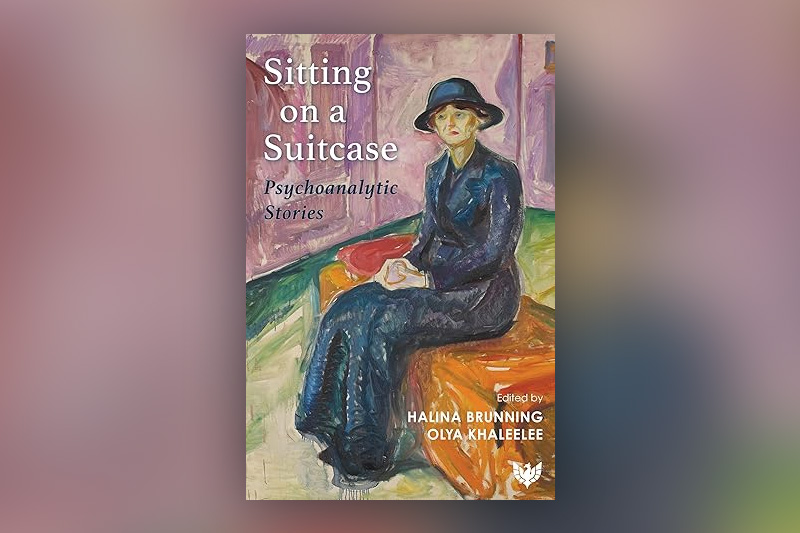
And finally, Orly Aflalo-Kamil rounds up the contributions to the book Sitting on a Suitcase by seven OFEK members  in a gentle and sensitively led conversation based on the book’s main hypothesis which is that Jewish identity – being an ongoing psychological experience shaped by a history of persecution, migration, and intergenerational trauma – has shaped the professional choices of the writers. 

We called for contributions in the spirit of Bion’s reverie, without memory or desire, and what has emerged is that and more, a rich tapestry of memories, re-membered experiences re-thought and re-integrated into a present which has freshness, hope and possibility in a context which could have hardly been any darker. 

We trust you will enjoy reading, watching and listening, and feel the weaving together warming you up on these cold winter nights.   


Orly, Shely, Yermi and Eliat

The Editorial Team
January 2026

Iceland

"עבודה תחת אש"
על התערבות בעמותת "בשביל המחר"
– מנחי מנחים

 מאת גלי גורן

רקע

מאמר זה מתאר סדנת התערבות בת יום שהתקיימה פעמיים בעיצומה של מלחמת חרבות ברזל – פעם אחת ביוני ופעם אחרת באוגוסט, 2025. בכל סדנה היו משתתפים שונים. את שתי הסדנאות העביר צוות של מנחי קבוצות ואנשי טיפול מאֹפק. מטרת ההתערבות הייתה לסייע למנחי קבוצות של עמותת “בשביל המחר”, העוסקת בעיבוד חוויות לחימה. ביוני 2025 פנה דורון מרום, המנהל המקצועי של “בשביל המחר” וממייסדיה, אל גבי בונויט וביקש לקיים “סדנה בנושא סוגיית הפרֵדה” במטרה להתמודד עם קושי שהתעורר בעמותה. לדבריו המנחים “מתקשים לייצר תהליכי פרֵדה תקינים וברורים מקבוצות חיילים לאחר עבודה אינטנסיבית. הקושי הזה בא לידי ביטוי בהמשך הקשר עם חברי הקבוצה לאחר סיום המסע, באופן שהעיד על טשטוש גבולות תפקידי”.

לצורך סדנה גבי הקים צוות מנחים שכלל אותי (גלי גורן), את מיכל גרנות, את שלי זוסמן ואת אייל עציוני. ההכנה לקראת הסדנה נערכה בפגישות זום, שבהן גיבשנו מטרה מרכזית: לאפשר למנחים של העמותה לחקור, להבין ולעבד היבטים שונים של פרֵדה ואת הקשר שלהם לתפקידם המקצועי. הקו המנחה שלנו היה ההבנה כי העיסוק בפרֵדה במציאות מורכבת קשה ואלימה שאיננה מסתיימת נוגע לעניינים בסיסיים ומהותיים במבנה העמותה ובתרבות שלה.

צוות המנחים מאֹפק התייחס לסימפטום זה כביטוי למורכבות תפקיד המנחה “בשביל המחר” – לפעול בתוך מרחב נפשי מורכב בצל מלחמה. הצוות התייחס גם להשלכות הרחבות שיש ללוחם, לצוות הלוחמים למנחים, לעמותה ולחברה שבה אנו חיים כיום ולאחריות שלנו לפעול ולחיות באופן בריא ותקין במציאות זו. יש לציין כי כולנו – צוות המנחים מאֹפק, מנחי “בשביל המחר” וכל החברה שחיה כאן – נמצאנו בתוך מציאות קשה, מפחידה ולא ודאית, מציאות של מלחמה עם עזה, שבה חיילים נהרגים, ילדים עזתים רעבים, טילים נשלחים לעברנו וחלקם נופלים בפועל ומערערים את רצף הקיום התפקודי והנפשי של כולנו.

במאמר זה אציג את מסגרת ההתערבות ואת מהלכה, ואדון בתובנות שעלו מהתהליך. אתייחס לממד הפסיכודינמי האישי, הקבוצתי והחברתי של עבודה בצל מלחמה במצב שבו “העולם חרג מכנו” (חיותה גורביץ’).

על העמותה “בשביל המחר”

העמותה “בשביל המחר”, שנוסדה ב־2009, פועלת למען חיילי וחיילות מילואים שסיימו שירות קרבי ואיכות החיים שלהם ושל סביבתם נפגעה. העמותה מתמחה בפעילויות שמטרתן עיבוד של אירועי לחימה בעזרת מסעות בטבע קבוצתיים ומתן כלים להתמודדות ולהשתתפות בתהליך לקראת מעבר לשגרת חיים אזרחית.


פעילות העמותה

כאמור, פעילות העמותה כוללת מסעות קבוצתיים בטבע. מסעות אלה מונחים על ידי  פסיכולוגים ומנחי קבוצות המומחים בעיבוד אירועי לחימה ותסמיני פוסט־טראומה. במסגרת מסעות אלו המשתתפים לומדים מודל לחיזוק החוסן הנפשי ומתרגלים אותו. לצד זה מתקיימים מעגלי שיח המהווים מרחב מוגן. המנחים מזמינים שיתוף של אירועי לחימה שחוו המשתתפים כדי להניע תהליך של ההתמודדות עם האירועים.

בעקבות צורך שהעלו בוגרי העמותה, נבנתה במהלך מלחמת חרבות ברזל תוכנית של מסע תמיכה בנות זוג של הלוחמים, הכוללת שיתוף רגשי והתמודדות עם שינוי בחוויית השגרה, התמודדות עם חרדות ועוד. המנחים של “בשביל המחר” מספקים לבנות הזוג מידע על חוויית הלוחמים בשטח ומסייעים במתן מענה מקצועי לשאלות הנוגעות בניהול קשר בשלט רחוק, בשיתוף הילדים במצב, בהכנה להגעה של הלוחם לחופשה בבית המשפחה ועוד.

בעקבות מלחמת חרבות ברזל והעלייה במודעות בחשיבות הטיפול חלה עלייה משמעותית במספר הפניות לקבלת סיוע וליווי נפשי, ובמשרדי העמותה נרשמה עלייה של 1,000% בפניות לוחמים המבקשים לצאת למסע עיבוד אירועי לחימה. כדי לתת מענה לפונים הרבים העמותה עוברת בימים אלה שינויים אסטרטגיים.


תיאור ההתערבות: מפגש פסיכודינמי מובנה

בכול יום הוזמנו כ־50 מנחים להשתתף בסדנת ההתערבות, אשר נבנתה כיום מרוכז, ובו שלושה חלקים עיקריים:

  1. מליאת פתיחה: הסדנה נפתחה בשיחה במליאה שבה הוצגו מטרות ההתערבות ומסגרת העבודה. בסופה נשאר זמן לשאלות ולשיתוף הרהורים וציפיות של המשתתפים.
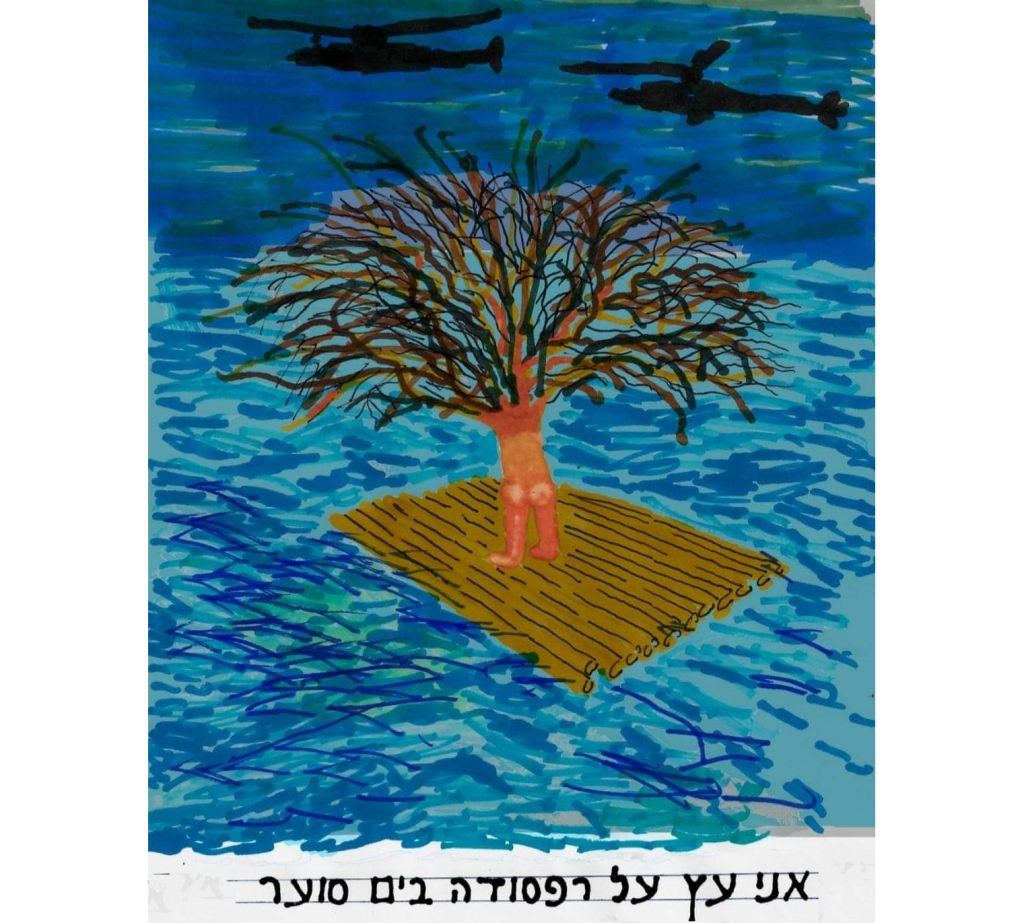
  2. עבודה בקבוצות קטנות: חילקנו את המשתתפים לקבוצות עבודה קטנות, וכל אחת מהן הונחתה על ידי אחד מחברי הצוות של אֹפק. המשתתפים הוזמנו להציג דילמות וקשיים אישיים מהשטח, לעיתים באמצעות ציור של הסיטואציה. הקבוצה כולה נרתמה לחקור באופן אסוציאטיבי ו”הדהודי” את הדילמה שהועלתה ללא מתן פתרונות ישירים. גישה זו אפשרה לחשוף תכנים לא מודעים ורגשות מודחקים הקשורים לדילמות במילוי תפקיד המנחה. חשוב לציין כי קבוצת העבודה אחת הייתה של מדריכי המנחים מתוך הבנה שיש לתת ביטוי למבנה ההיררכי בעמותה ולהבדל המקצועי בין עבודת המנחים ועבודת המדריכים.
  3. מליאת סיום: לאחר העבודה בקבוצות הקטנות, כל הקבוצות התכנסו שוב למליאה. חלק זה הוקדש לסיכום התהליך, לשיתוף הדים ותובנות שעלו מן העבודה בקבוצות, וכן להצפה של קשיים או נושאים נוספים שנותרו פתוחים.


מליאת הפתיחה
נועדה לחדד את המשימה המרכזית ולהחזיק את הקונטקסט של העבודה וכן להתחבר כשלם.

גבי פתח ואמר שהמשימה המרכזית היא: “לאפשר למנחים לחקור, להבין ולעבד במשותף אספקטים שונים של פרֵדה, והקשר ביניהם לבין תפקידם כמנחים בקבוצות של עמותת ‘בשביל המחר'”. עוד הוסיף: “יש לכם תפקיד קשה ומורכב. אתם ‘החיילים’ בחזית של בריאות הנפש. נפלה בחלקנו הזכות לעבוד עימכם ואנחנו מקווים שנצליח לעבוד ברגישות ובהכרת תודה. אנחנו אומרים זאת לא רק מהעמדה המקצועית אלא כאזרחים במדינה המדממת”.

בדברים אלה הוא הנכיח את הטראומה של המנחים והמדריכים המשתתפים בסדנה, את השלכותיה וגם את משמעות קבלת תפקיד לא רק כאנשי מקצוע אלא גם כאזרחים. הוא דיבר עלינו כמנחים של סדנת ההתערבות, אך הייתה בכך גם אמירה לגבי תפקיד המנחה והקושי לשאת אותו לאור הטראומה הקולקטיבית בפרט, וכאזרחים במדינת ישראל בכלל. השתמעויות אלו עלו במהלך העבודה בקבוצות, ועל כך יפורט בהמשך.


חווית המנחה ותפקידו – סוגיות ודימויים

בחלק השני ביום, לאחר החלוקה לקבוצות הקטנות, ביקשנו שכל משתתף יחשוב באופן חופשי ואסוציאטיבי על דילמה שלו כמנחה הקשורה בתפקידו ובפרֵדה. בחלק מהקבוצות התבקשו המשתתפים לצייר ובחלקן לכתוב. בכל משבצת עבודה התמקדנו במשתתף אחד שהתבקש לתאר את הדילמה או להראות ציור שמבטא אותה, וחברי הקבוצה האחרים שיתפו אסוציאציות, רגשות ומחשבות. השיתופים בעצם שיקפו למביא הדילמה את החוויה. מפאת קוצר הזמן לא כל המשתתפים יכלו להביא את הדילמות שלהם, אך במסגרת השיתוף הייתה להם הזדמנות להעלות את החוויות שלהם בתוך המורכבות התפקידית בהקשר של פרֵדה ובכלל.

להלן פירוט סוגיות שעלו במהלך החלק זה של ההתערבות:

  1. ההזמנה שלנו לעסוק בפרֵדה עוררה תגובות אמביוולנטיות. מצד אחד הנושא עורר במשתתפים עניין. הם שיתפו אסוציאציות לפרדות אחרות בחייהם והסכימו כי למעשה פרדה מקבוצת חיילי המילואים במצב העניינים היום לא באמת מותירה אותם עם חוויה של “חתימת תהליך”, וזאת מכיוון שרוב החיילים חוזרים לקרב ולחוויית המלחמה. מצד שני חלק מהמשתתפים פירשו את ההזמנה כסוג של ביקורת על אופן עבודתם והתמודדותם עם הפרדה מקבוצות חיילי המילואים שהנחו.

  2. כאשר עבדנו עם המנחים בקבוצות הקטנות עלו בחלק הגלוי נושאים שקשורים לפרדה ולחייהם האישיים, כמו אסוציאציות על הורות, על היותם עצמם בתהליכי אבל בחייהם וגם כנפגעים במישרין או בעקיפין מן המלחמה. הם העידו על עייפות ותשישות ממצב מלחמתי שאנו חיים בו.
    דימויים כמו “קן ציפורים”, “סירת הצלה” ו”רחם” עלו ושיקפו את הצורך ביצירת מרחב בטוח ומכיל בתוך המציאות המאיימת. הקן והרחם מייצגים את הצורך בתפקיד המגונן של המנחה, ואילו סירת ההצלה מייצגת רצון לברוח מכל מה שקורה. נוסף על כך, אחד המשתתפים צייר ציור של “עמידה מעל תהום” המבטאת חרדה מפני הסכנה הקיומית – הפחד מנפילה, ממוות ומכישלון. עלו הרבה אסוציאציות לאימהות ולאבהות, ולרצון להוציא את החיילים מהמצב במעין “תעלת לידה”.

  1. עוד חוויות שהעלו המנחים מתוך העבודה עם החיילים נגעו בחוסר אונים לעזור באמת לנוכח המצב המלחמה שבו משתתפים חוזרים לקרב, וההרס והטראומה נמשכים. במובן זה עלתה השאלה עד כמה תקפה התפיסה הראשונית של עבודת “בשביל המחר” במציאות שבה נמשך ה”דימום” תוך כדי העבודה. כמו כן, עלתה גם שאלת התוקף של המתכונת שנקבעה בעמותה במצב החדש של מלחמה שנמשכת, ולא מדובר בטראומת עבר אלא בטראומות נמשכות תוך יציאה למילואים נוספים, שחיקת בני המשפחה ויציאה ממעגלי העבודה והחיים.

  2. בפעילות בקבוצות הקטנות עלתה גם בקשה להתייחס לקושי להתמודד עם שונות פוליטית בקבוצות החיילים, בעקבות השאלה עד כמה אפשר להתעלם מהשיח הפוליטי בפעילויות העמותה. אחת ההשערות היא כי דווקא השתיקה בתחום זה היא גורם סטרס שמעצים את הטראומה.


מחשבות ותובנות

עבודה עם טראומה מלחמתית מציבה הן את המנחה והן את קבוצת הלוחמים בתוך מרחב נפשי מורכב. במציאות של מלחמה שבה כשהטיל נופל גם ה”קיר” שחוצץ בין המציאות בחוץ למרחב הטיפולי מתערער, ושמושגים כגון “פצוע בשטח” ו”שדה קרב” הופכים ממטפורה למציאות מאיימת, עלול המנחה, שחוויותיו האישיות מתערבבות עם חוויות המטופלים, לחוות קושי מיוחד בתהליכי סיום ופרדה. קושי זה יכול להתבטא בתחושת אשמה על “הפקרת פצועים”, בפנטזיית הצלה[1] שאינה מאפשרת להשלים את המשימה הטיפולית, בפחד ממוות של המטופלים או של המנחה עצמו, וכן בפחד להישאר לבד לאחר הפרֵדה. המשך הקשר עם המשתתפים לאחר סיום הפעילות הוא מימוש לא מודע של פנטזיות אלו ובכך להימנע מהקושי של אובדן וסיום. אם כך הקושי בפרדה אינו רק קושי תפקידי וקושי בסימון גבולות בין התפקיד של המנחה בתוך הסדנה ולאחריה, אלא גם ביטוי של מצב טראומטי.

במציאות של מלחמה, פרֵדות מתרחשות לעיתים קרובות באופן פתאומי וקיצוני, ובכך יוצרות תחושה של קטיעה ברצף החיים. פרדות אלו עלולות לעורר אצל המנחים “תהודה טראומטית”, שכן הן מציבות מול עיניהם את האפשרות שהפרדה הנוכחית היא סופית, וכי הם “שולחים” את החיילים למקום מסוכן. לכן הפרדה מהקבוצה אינה רק סיום של תהליך, אלא מעין “מופע” שמשחזר את החוויה הטראומטית של קטיעה ברצף. המנחים מנסים להימנע ממצב זה על ידי הימנעות מפרדה שיכולה להיחוות כטראומטית בתוך נסיבות המצב העכשווי (“אולי לא אראה אותם יותר”, “לא נשאיר אנשים לבד”).

כמו כן, בעבודה עם המנחים למדנו כי אף שתהליך העיבוד לאורך המסע הוא משמעותי מאוד ומסייע לחיילים אין הוא תהליך טיפולי מלא ושלם וכי במצב העניינים היום רבים מהם חוזרים לזירת המלחמה לאחר העיבוד והחשש לגורלם כבד. שליחת החיילים למלחמה מעוררת אצל המנחים צורך להמשיך ולסוכך עליהם במעין קבלת תפקיד אימהי ומגונן. קושי זה מונע מהם “לפרום” את תפקיד המנחה ולהחזיר את האחריות למשתתפים.

המשך הקשר עם המשתתפים שימש, אם כן, כדרך לא מודעת לפצות על חוויות אלו. העיבוד הקבוצתי אפשר למנחים לזהות את הדינמיקות הללו, לתת להן שם ולבחון אותן במרחב בטוח, ובכך להפריד בין תפקידם המקצועי לבין החרדות האישיות שלהם. 

ההשפעה של מלחמת מציאות על עולם הפנים: “קירות נופלים” ו”קרינת הטראומה”


קיר נופל

המושג ”קיר נופל” הוצג לראשונה בימי המחאה החברתית (2011) על ידי הוועדה המדעית של החברה הפסיכואנליטית (אשר בראשה עמד גבי בונויט), הרעיון המרכזי הוא שבמצבי טראומה חברתיים ופוליטיים נסדק ואף נופל הקיר בין המציאות הפנימית בחדר הטיפול ובין המציאות הקשה בחוץ. החדירה של המציאות החיצונית למרחב הטיפולי היא לעיתים אלימה. הקירות הנופלים והנפרצים הם הממשות המהדהדת חוויה חזקה של ערעור. חוויה זאת משותפת במידה רבה לכולנו, ובוודאי כאשר הסביבה המדינית, הפוליטית והחברתית נתונה במצב קיצון כמו מלחמה. במהלך התרחשויות האלה המנחה והמשתתפים החיילים עומדים יחד מול אותם חרדות ופחדים, מפני שהם משתייכים לאותה מסגרת, לאותו עולם, לאותו מרחב מלחמתי. מצב זה מערער את הגבולות המסורתיים של מרחב העבודה ומקשה על החזקת התפקיד והגבולות המקצועיים.


גלי ההדף של הטראומה וטראומה משנית

כאשר מטפל, יועץ או מנחה עובד עם חיילים שעברו חוויות קיצון – מראות מוות, אובדן חברים לנשק, פציעות או חוויות של אשמה מוסרית – הוא נחשף ל”חלקיקים הרדיואקטיביים” של הטראומה. אף שהמטפל לא היה בשדה הקרב, הקרינה חודרת אליו דרך הסיפורים, השתיקות, שפת הגוף והמטען הרגשי שמועבר במפגש. כך, המנחה עצמו עלול לשאת תחושות כבדות של עצב, חרדה, חוסר אונים ואף טראומה משנית.[2]

המטפורה “חלקיקים רדיואקטיביים”, שטבעה יולנדה גמפל, מאפשרת להבין כי טראומה אינה נשארת בגבולות הפרט. היא דולפת לסביבתו הקרובה, למטפל, ולבסוף לכלל החברה. אם כך, המנחים “בשביל המחר” המהווים מעטפת למשתתפים, אינם יכולים להיות מכל מלא ושלם כיוון שהמעטפת מחוררת בנקבי המציאות שאליה גם הם שותפים.

סיכום

סדנת התערבות זו הדגימה את החשיבות של יצירת מרחב עיבוד פסיכודינמי עבור אנשי מקצוע העוסקים בטראומה מלחמתית. הממצאים מצביעים על כך שקשיים במילוי התפקיד, כמו טשטוש גבולות וקשיי פרֵדה, אינם רק תוצאה בהכרח של חוסר מיומנות, אלא ביטויים של דינמיקות נפשיות עמוקות הקשורות לטראומה, לפחד ולפנטזיית ההצלה. על ידי מתן מקום לחקר תהליכים לא מודעים אלו, אפשר לסייע למנחים לחזק את גבולות התפקיד שלהם ולייצר תהליכי סיום בריאים יותר, הן עבורם והן עבור המשתתפים.

המטפורה “חלקיקים רדיואקטיביים” מאפשרת להבין את העוצמה ואת החמקמקות של טראומה לא רק בממד האישי אלא גם בממדים הבין־אישי והחברתי. היא מבהירה כיצד חוויות קשות של חיילים במלחמה ממשיכות להדהד במנחה, אשר חשוף לקרינה הרגשית שלהן. הבנה זו מחייבת הכרה לא רק בצרכים של החיילים אלא גם בצרכים של המנחה.

לסיכום, בהתערבות זאת ניסינו לייצר התחלה של תהליכי עיבוד אצל המנחים אשר יכולים להיות חשופים לטראומה משנית במסגרת עבודתם ושמצויים כמו כולנו בטראומה משנית קולקטיבית־חברתית. אלו, אם לא יטופלו בתוך הקונטקסט הרחב, ימשיכו ויהפכו את החברה שלנו (אם לא כבר) ל”חברה רעילה” – חברה שמתקשה להכיל שונות, מגיבה בתוקפנות וחיה בתחושת איום מתמדת.

ההכרה בהשפעה זו אינה רק תאורטית; היא מחייבת יצירת מנגנונים של ריפוי קולקטיבי – מרחבים ציבוריים, שיח חברתי פתוח, מסגרות טיפול ותמיכה – כדי לצמצם את הקרינה הרגשית ולאפשר החלמה ברמה האישית והחברתית גם יחד.


אחרית דבר

מאמר זה נכתב בשלהי חודש אוגוסט 2025. לפני כחודשיים דורון מרום פנה שוב אל גבי בונויט, וביקש שנמשיך לעבוד עם העמותה, והפעם בנושא פציעה מוסרית (Moral Injury). זהו מצב נפשי שמתרחש כאשר אדם נחשף לאירועים המפרים את אמונותיו וערכיו המוסריים, ובמילים אחרות פגיעה בעולמו המוסרי של אדם בעקבות מעשה שהוא או אחרים ביצעו, ושנתפס בעיניו כחריגה מהערכים המוסריים שלו. אלו יכולים לגרום לתחושות של אשמה, בושה וכעס. נראה כי התערבות בגישה הפסיכואנליטית־מערכתית ששמה דגש לא רק על ההכשרה אלא גם על עיבוד חומרים העולים באופן אינהרנטי מתוך הפעילויות של העמותה ומימושן, יכולה לתת מענה, גם אם חלקי, למורכבות העבודה והמשימה של המנחים ושל “בשביל המחר” בכלל.

האם אדמת ארצנו, הספוגה בחומרים רעילים, תפסיק להטיל מומים בנפשות יושביה? האם יש לנו, אנשי בריאות הנפש, דרך כלשהי למנוע מבעוד מועד את “הדליפה רדיואקטיבית” הבאה, או שמא כל שיש ביכולתנו לעשות הוא לשקם את נזקיה?

במציאות הנוכחית החוויה המרכזית היא שהגורל שלנו אינו בידינו, ואנו עומדים חסרי אונים אל מול מציאות מכאיבה ואיננו יודעים מה יהיה בסופה. על חוויה כזאת שטפן צוויג כותב ב”העולם של אתמול”:

גורלי היה נתון עתה בידיהם ולא בידי. הם הרסו אותנו, את חסרי האונים, או חננו, הם העניקו חירות או כפו עבדות, הם קבעו מלחמה או שלום למיליוני אנשים. והנה אני יושב ככל שאר האנשים בחדרי, חסר מגן כזבוב, חסר ישע כחילזון, ואילו סביבי נערך קרב לחיים ולמוות על הכול, על האני שלי ועל עתידי, על המחשבות העולות במוחי, על התוכניות שנולדו ועדיין לא נולדו, על שעות ערותי ועל שנתי, על רצוני, על רכושי, על כל הוויתי. (מתוך פרק המבוא “העולם של אתמול”, שטפן צוויג, 1948)


תודה לגבי, לשלי, למיכל ולאייל על העבודה המשותפת, המעשירה והטובה.

נספח: סדר היום בסדנה

08:00–08:45  התכנסות

08:45–09:30  מליאת פתיחה

09:30–09:45  הפסקה

10:30–09:45  קבוצה קטנה – איפה הפרֵדה פוגשת אותי?

10:30–10:45  הפסקה

10:45–11:45  קבוצה קטנה – איפה אני פוגש את הפרֵדה?

11:45–12:00  הפסקה

12:00–14:00  קבוצה קטנה – אירוע הנחייה שקשור לפרֵדה

13:00–14:00  ארוחת צוהריים

14:00–15:00  קבוצה קטנה – אירוע הנחייה שקשור לפרֵדה

15:00–15:15  הפסקה

15:15–16:15  קבוצת קטנה – מה אני לוקח.ת מהסדנה

16:15–16:30  הפסקה

16:30–17:30  מליאת סיום

[1] המושג פנטזיית הצלה ממחיש את המתח בין הרצון לסייע לאחר ובין העובדה שעזרה באופן מלא (כלומר הצלה) היא פנטזיה. באופן לא מודע פנטזיית הצלה קשורה למעשה לחרדת מוות של הסובייקט המציל.

[2] טראומה משנית (או טראומה עקיפה) היא מצב פסיכולוגי שבו אדם מפתח תסמינים דמויי־פוסט־טראומה לאחר שנחשף באופן עקיף לפרטי אירוע טראומטי שעבר אדם אחר. מצב זה נפוץ במיוחד אצל מטפלים.

Leave a Reply

Your email address will not be published. Required fields are marked *