





ofek logo

מאמרים נוספים בגיליון

Issue #1 – October 2021

Digital KavOFEK #1

Editorial

We are delighted to launch the first digital issue of KAV OFEK.

In September 2000, the first issue of KAV OFEK was published.Avi Nutkevitch, who was the chairman of OFEK at the time, wrote, among other things, in his words of blessing:

“OFEK Writes” is of course another way to promote ideas, but it is primarily the creation of a space for the production of new ideas, for new conceptualizations, for further processing of experiences; It is another way to channel creativity; It is also another channel of communication between us and ourselves, between us and the world.”

Silvia Silberman and Ilana Litvin wrote in the editorial: After debates that ranged from excessive modesty to grandiose ambition, between the intention to publish a “dry” informative page and the desire to create a polished professional journal, the members of the committee decided to launch a journal that would encourage experiential and spontaneous writing even by those of us who shy away from writing for the established professional press.

The journal was published every year; grew, developed and expanded, and the members of its board also changed over the years. In December 2011, issue No. 12 was released, which was also the last. Since then, it fell asleep for ten years. The image of “Sleeping Beauty” waiting for the prince to come, give her a kiss, and wake her up from her slumber came up in the system.

The first thoughts about renewing KAV OFEK in a digital format, with the encouragement of OFEK’s board, came up over two years ago, even before the outbreak of COVID, and began with meetings between Sivanie Shiran and Yermi Harel. Sivanie was obliged to retire and a new editorial board was established which includes Eliat Aram, Yermi Harel and Shelly Sussman: on the editorial team of the first issues, on the editorial team of the middle issues and a newcomer to the board, respectively, hoping for a combination of old and new, tradition and innovation, an important issue in itself, in the field of group relations.

The theme of the issue, which turns the gaze to organization and organizing during the days of an epidemic, invites consideration of the effects of the epidemic on the new system that formed during this period. The digital acceleration in the days of Corona and the transformative change in the perception of location and space, removed limitations on a global society, which became “natural”. The technological tools also became “natural”, and the editors were helped by the available technology of Zoom, WhatsApp, email and shared files for the day-to-day work and communication with the article writers and other people who took part and helped in the production of the issue. Plans for an editorial meeting in Israel were canceled with the imposition of the lockdowns and movement restrictions, so that in fact, like many teams during this period, the editorial board operated in the online space and did not meet physically from its establishment and throughout the period of work on the magazine.

The Corona epidemic gave renewed validity to renewing the journal in an online format, one that is accessible and available beyond the boundaries of time, space and language, and invites expression in a variety of media and styles, such as video and visual images. As in the previous links in the KAV OFEK chain, in the renewed digital edition the wish is to provide a creative and playful space for engaging in the areas of OFEK’s knowledge, a space for conceptual and experiential expression, for collecting and processing experiences and for communication within the community of members and between it and the world.

This task is part of the contemporary challenge of searching for alternative ways and additional channels for meeting and dialogue. For example, KAV OFEK’s digital platform allows comments on the article page, as a channel of this type. Is it possible to think of a “hybrid model” in OFEK, which has some physical meetings, some online meetings and some on the online KAV OFEK? Time will tell.

The first part of the issue contains three articles dealing, from different angles, with the learning experience from online conferences or meetings about conferences. They all took place during the months of the epidemic. We opened with an piece by Ronit Kark and Miriam Shapira examining their experience as participants in the pioneer eGRC conference in 2020. The central theme, around the question or the feeling of omitting intimacy in a conference with digital authority, immediately stimulated thoughts in the editorial board and indeed we included a comment on the subject of omission by Yermi Harel.

The second piece is actually a collection of contributions from the director, staff members and participants of the online conference that took place in February 2021 and to which an OFEK evening was dedicated in June of this year, led by Smadar Ashuach and Amir Scharf, the content of which can be found here.

This part of the issue is concluded with a meta-learning article about learning from conferences through a series of Zoom meetings. The article was edited by Mira Erlich-Ginor who conducted three OFEK evenings on Zoom in the fall of 2020, between the waves of the Corona virus, with the primary task – learning from conferences. The second part of the issue also contains three articles, which deal with the question we presented in the call for proposals about OFEK as a host organization and the experience of leadership in its various shades and colors during the epidemic years.

We start with chairperson Yael Shenhav Sharoni’s view on the management of OFEK – the organization as an organization – in times of epidemic, physical distance and uncertainty.

We continue with a thoughtful article from an OFEK member, Gabi Bonwitt, about the group of OFEK members that examined group relations and Corona, in which he touches on issues we will return to later – memory, otherness and foreignness.

We conclude with the contribution of Leslie Brissett, director of the program for group relations at the Tavistock Institute London, who also sent an article thinking about identity, belonging and the digital experience in the days of an epidemic from his point of view as a director. This article also provoked deep reactions among the members of the editorial board and here you will find Shelly Sussman’s response to the idea of “a person in a body”.

The third and last part of the issue is dedicated to the memory of our dear friend Judy Levy who passed away prematurely before the epidemic. The memorial evening for her death in August 2019 at Yigal Ginat’s house in Jerusalem is perhaps one of the last memories before the epidemic of OFEK members getting together, talking, crying, remembering and singing Judy.

Here you will find a collection of interviews, some recorded, some written, of friends who remember Judy; Judy’s original article from 2011, “Memory Lost and Memory Found”, with her original response and with a contemporary addition from Gabriella Braun, a memory wrapped in sensitive, responsible and loving editing by Leila Djemal and Miri Tzadok.

It seems to us that maybe Judy is our sleeping beauty, helping us wake up and wake KAV OFEK. Although unlike in fairy tales, we cannot bring her back to breathe within us, we can try and carry on as she breathes from our memories.

We hope you enjoy the issue and that its various “kisses and caresses” will inspire you to contribute in the future.

The Editors,

Shelly, Yermi and Eliat
September 2021

* The editors would like to thank first and foremost, Ilan Kirschenbaum, for his partnership and assistance in the realization of the digital edition.

* To OFEK’s board, which approved funds that helped in the realization of the issue, especially in the editing of the recorded segments.

* And of course. to all the writers and contributors – there is no journal without content.

Issue #2 – November 2022

Digital Kav OFEK#2

Editorial

We are delighted to put forward Kav OFEK’s 2022 – the second digital edition. In preparing this edition, we could identify characteristics of doing something for the ‘second time’. In the second edition of Kav Ofek in-print, in 2001, Ilana Litvin, Silvia Silberman and Eliat Aram, the then editors, wrote:
“we are all familiar with the burst of energy that comes with beginnings, with a genesis. It is much harder to generate energy in order to persevere in creating and invest in maintenance”.

These similar feelings, that accompanied the preparation of the second edition echoed the title: “on longing, movement and nevertheless”. Inspired by the famous lyrics* pointing to the “ongoing journey” and the necessity to relentlessly “keep on moving”, we have wondered – what is the meaning of ‘movement’ these days, when the journey seems to go on and on, regresses, comes to a stand-still – how do individuals, groups, organisations, societies, communities move? Where do longing for human touch and closeness meet movement and moving? Where do we find the resources to keep on moving nevertheless and despite it all?**

We have recognised the circularity of movement in OFEK in the very recent GRC which took place with TAU entitled “Being a Therapist at this time” under the leadership of Yosi Triest and Moshe Bergstein. The GRC was cancelled twice during the pandemic, the journey extended, and eventually it happened this last September with a significant number of participants. What has been the place of longing, perseverance, determination, in the success of this GRC, despite it all and nevertheless?

The articles in this edition are also characterised by the circular movement of back and forth. The first cluster includes two articles dealing with insights from the Corona years, and relate to loneliness, movement and stuckness. First, a thought piece from Shmuel Bernstein dealing with loneliness and lack of movement, and – through re-examining Baudelaire’s La Solitude- offers a new perspective to think of the “empty space”. In the second thought piece, Simon Western touches on questions of loneliness, isolation and melancholy in the digital age, and discusses them through a case study of drone pilots in the USA air force.

The second cluster includes three articles emerging directly from OFEK-related activities and Group Relations thinking. The first, by Hagit Shachar-Paraira and Eyal Etzioni, examines sensitively and from the perspective of the participant, the processes in a reading group of systemic-psychoanalytic papers, which took place over a period of four years (including during covid and lockdown and a return to in-person), suggesting a relationship between learning/study and food/feeding. In the paper “tears of an administrator” which also deals with the experience of participating, Ori Weyl shares his experience of being a GRC administrator this past July with a touching humorous style. This section concludes with a thought piece from Gilad Ovadia which examines the addition of a fourth T boundary, in addition to the original three of Task, Territory and Time. He suggests that of reality Testing, which contributes the strengthening of movement between the ideal and the real in organisational work.

This edition is sealed with the contributions of two guest writers, asking us – “moving – where to?”
Gili Yuval, poet and writer dealing with the world of work, points to the tension between loneliness and a road-trip type movement, to the longing for solitude and suggests a ‘solution’ of a journey-to-nowhere.
Coreene Archer’s thought piece responds to the ancient song “keep moving on the ongoing journey” with contemporary voices and songs and challenges us to examine for ourselves questions of choice and internal listening.

Happy reading and please do use the comment boxes to share your reflections, questions and thoughts.

The Editors,

Yermi, Eliat and Shely
November 2022
* “Ze Kore” (It Happens) / Lyrics Shmulik Kraus
** Call for Papers Kav OFEK #2

Issue #3 – August 2024

Digital Kav OFEK #3

Editorial

In Kav OFEK, is “the despair becoming more comfortable”? The papers and collections in this third edition of Kav OFEK move between despair and hope and everything in between. So has been the editorial movement in our production work. We have found ourselves sea-soring back and forth, up and down, between frustration and despair, to hope and action. Our action is articulated through talking, thinking, opening up spaces where we can reflect on our experiences and memories.

The Kav includes two papers which had been written before 7th October 2023. In the first of these, Sarah Metzer and Corinne Zeevi-Weil explore the phenomenon of silencing and shame around the detention of Palestinian children. The second paper, a thought-piece by Gilad Ovadia, inquires into the sources of authority in Group Relations organisations and looks critically at the state of authority in OFEK.

A second paper by Gilad Ovadia also explores issues regarding work in GR organisations, which are based on psychoanalytic and socio-systemic thinking. This paper, which aims to understand the “analytic condition” in psychoanalytic-systemic work, discloses that it has been written in early 2024 and refers to the polarised situation in Israel, whilst stating the importance of the workspace, and the necessity of preserving the vitality of the analytic state.

The rest of the contributions directly relate to the events on – and following from – the 7th October 2023:

Simi Talmi shares her ‘live’ journal reflecting on the entry and integration of displaced survivors from the Otef Gaza communities into her own kibbutz community.

A recorded conversation with Leila Djemal on her contribution to the response effort and rehabilitation work with the Thai workers from the Otef sheds understanding about relationships between groups and other circles of influence that are shifting and expanding Israeli society’s borders.
A collection of thoughts and reflections from members of the Tavistock Community following an evening they called “Many Wars, One Peace – Many Lands, One Home”. The writers are from a range of countries including South Africa, Italy, USA, Canada, The Netherlands, Lithuania, UK and Israel. They bring various perspectives on their experience of borders, rights and conflict, both in preparation and during the event.

The pair of articles by Orly Aflalo-Kamil and Gabi Bonwitt refers to an OFEK evening entitled “draw me a dream please” that took place in May 2024, which hosted the illustrator and activist Zeev Engelmayer. The evening was a second meeting in a series dealing with the connection between Art and Society, inquiring into the role and functions of Art in various social contexts as a channel into the collective unconscious.

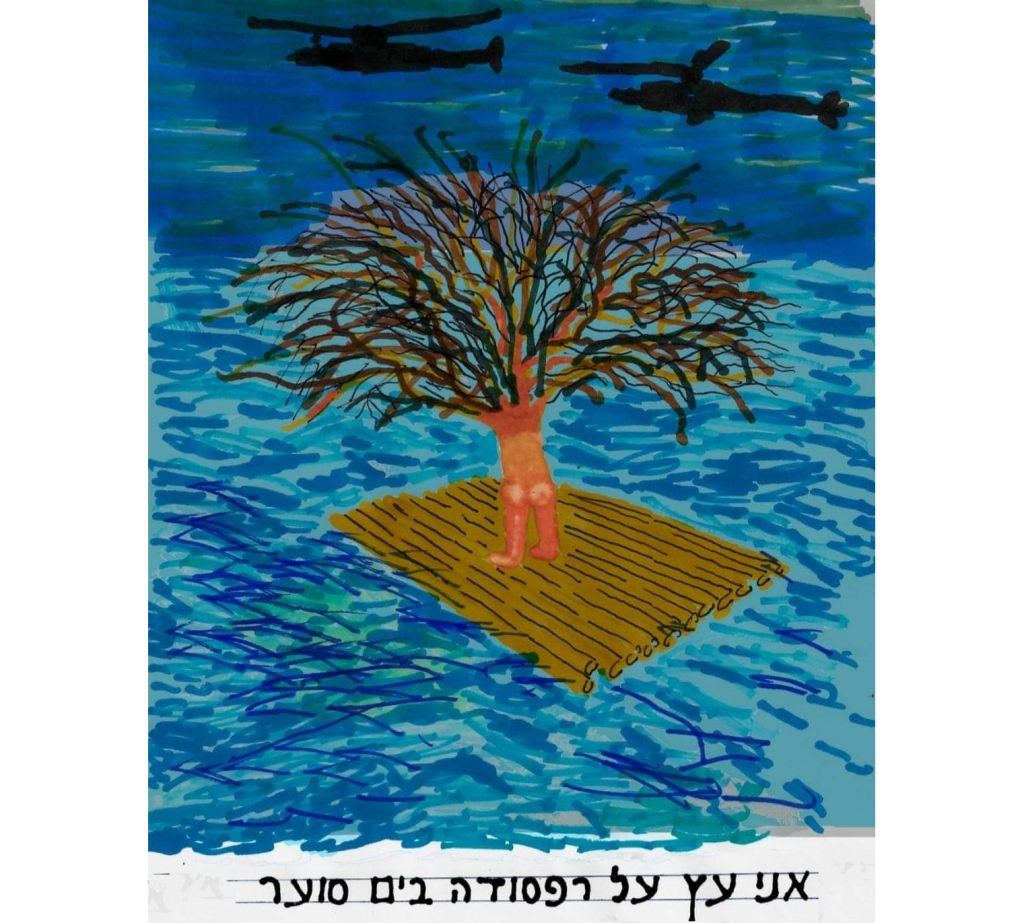
Most of this edition’s illustrations are by Engelmayer, which he calls “postcards”, and which reflect – we feel – a similar movement between hope and despair as we have felt and as is expressed in the various contributions.

Our deep gratitude to all the writers and contributors, to Ilan Kirschenbaum for placing so aptly this third digital edition, and to Zeev Engelmayer for allowing us to use his vivid postcards to connect our written words with Art.
Best wishes
Shely, Yermi and Eliat
The Editorial team
August 2024

Issue #4 – January 2026

Editorial

Letting go to letting be/ “when the home is empty, it doesn’t matter who is right” 

This edition started from a big emptiness – a depressed void – emotional, intellectual, social and political. We sent the call out in a time where splits seem to persevere over any attempt at connecting, healing or rehabilitating. Inside OFEK too there were exchanges characterised by the sound of the pencils being sharpened, and that old, familiar feeling of the need to be right, toppling the need to connect and make peace, was creeping up on us. The fourth edition of Kav OFEK stalled again then into silence. 

And then, yet again and despite it all, the editorial board continued. People started sending their promised contributions, including some where the context made us feel right to revive them, or to publish them again, as part of another frame.   The house started to refill, OFEK’s intellectual home began to shape up into what would become its fourth offspring. 

What can you expect to find in this edition? The publications are very different from each other, in form as well as in content. But they do have something in common. In different ways, they all deal with memory, death and dying; the study of the past in the present, including trauma and inter-generational trauma; and the painful yet hopeful inter-generational dynamics including succession and legacy:

We have a letter from Dr Mannie Sher, an OFEK father-figure, and  a TIHR elder, who is positively busy with legacy and who has recently published his personal memoir in the form of letters to his children and grandchildren (in-person book launch on 25 January 2026). On our request, he has written one such letter of wisdom to the OFEK offspring. We have a video interview of Prof Yigal Ginat, one of OFEK’s first fathers and a role-model to the profundity of the model of GR into all systems and organisational understanding and work. Speaking poignantly to Yermi Harel, Yigal takes us through a tour-de-force of a life-long activity in health and social care informed by the GR principles and thought, and including reflections on personal loss, grief and solitude. 

A thoughtful and thought-provoking piece entitled ‘The Fourth Injury’ by Nimrod Harel suggests that technology, with the fast developments in AI, constitute the fourth injury, should Freud was alive today to have defined it (Freud identified three core narcissistic injuries to the Human species as offered through scientific developments over the centuries: cosmological, biological and psychological). This article swims across a couple of generational rivers: human development and the examination of AI – so we include two responses to Nimrod Harel’s paper, one by Dr Kobi Tadmor and one by AI itself. The other generation river is the personal one: Nimrod is the son of Dr Yermi Harel, one of OFEK’s senior members as well as one of Kav OFEK’s editors. Here, the creative, fruitful, satisfying and proud-making aspects of succession and generational discourse. 

The contribution from Batel Friedman is a self-reflection on the experience of being an Other, in OFEK, and the pain and vulnerability that accompany. It is a striking article that highlights that “even” in OFEK, that is supposed to be an inclusive and pluralistic society, the experience of Otherness, and othering is very alive. Bat-El is a younger member of OFEK both by age and by years of membership so here, again, the dynamic of the generations appears. 

Gali Goren (et al) describes and reflects on two workshops conducted ‘under fire’ during 2025 with the primary task of digesting experiences of separation and endings, as a result of war. The work was commissioned by a charity called ‘for tomorrow’ that asked the team to run further workshops on this issue as well as on ‘moral injury’, a traumatising experience that occurs when a person is exposed to events that challenge their  values and principles, an injury that often occurs in war and conflict situations, where persons are at risk of dying.  

Yael Sharoni (et al) returns to reflect and draw lessons from a workshop alerting that corruption is not only a social phenomenon but a symptom to a deep and problematic social disease. The event took place eight years ago and feels like a premonition to what was to come. An eerie reminder of how we do not learn from our history, or past, and repeat or even expand our mistakes. 

A conversation between Gilad Ovadia, incoming and current Chair of OFEK, and Yoav Kirsch, outgoing Chair of OFEK and current Company CEO, explores the vulnerability and potential injury as one reflects on the transitions between different leadership roles. In a heart-to-heart, a man-to-man reflection shows the humanness in succession and transition. 

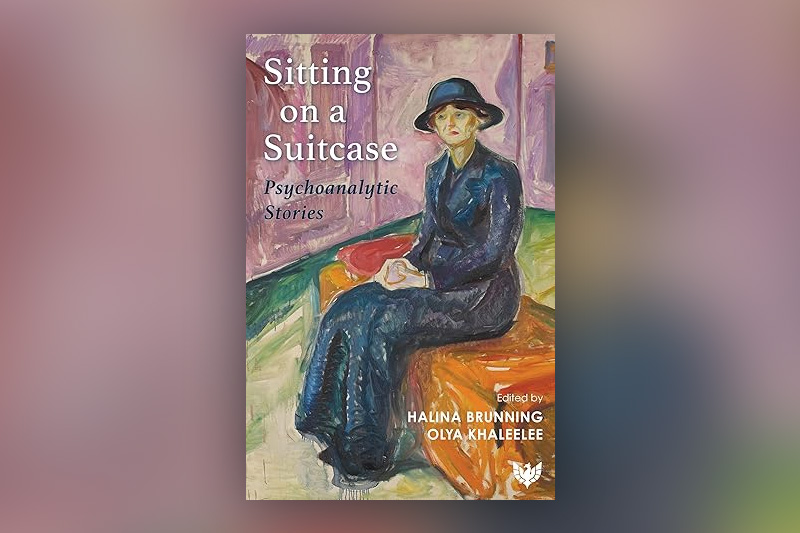
And finally, Orly Aflalo-Kamil rounds up the contributions to the book Sitting on a Suitcase by seven OFEK members  in a gentle and sensitively led conversation based on the book’s main hypothesis which is that Jewish identity – being an ongoing psychological experience shaped by a history of persecution, migration, and intergenerational trauma – has shaped the professional choices of the writers. 

We called for contributions in the spirit of Bion’s reverie, without memory or desire, and what has emerged is that and more, a rich tapestry of memories, re-membered experiences re-thought and re-integrated into a present which has freshness, hope and possibility in a context which could have hardly been any darker. 

We trust you will enjoy reading, watching and listening, and feel the weaving together warming you up on these cold winter nights.   


Orly, Shely, Yermi and Eliat

The Editorial Team
January 2026

פרח

מיו"ר למנכ"ל – איפה שיש גרשיים יש סיכוי לפגיעות

גילעד עובדיה משוחח עם יואב קירש

גילעד עובדיה, יו”ר אֹפק, מראיין את יואב קירש, יו”ר אֹפק היוצא: ראיון התבוננות בשאלת המעבר מלמידה מהתנסות בתפקיד היו”ר לתפקיד יזם ומנכ”ל בחברה טכנולוגית.

הריאיון התקיים בביתי ליד שולחן האוכל באווירה נינוחה. בעצם, הזמנתי את יואב, שאינו מורגל בכתיבה, לשיחה בשניים. על הריאיון דיברנו כבר בריטריט האחרון של אֹפק. המשפט “דע מאין אתה בא ולהיכן אתה הולך?” ליווה אותי מאז.

משום שבדבריו יואב העביר תחושה שקרה לו משהו שהוא מעבר לעצמו, הנחתי שמכך שהוא חזר בכמה הזדמנויות על המהלך ההתפתחותי שלו – במעבר מתפקיד יו”ר לתפקיד מנכ”ל, אפשר ללמוד על תהליך שלרוב אינו קורה לאחרים.

הריאיון נערך בשני חלקים, ולא מעט זמן עבר ביניהם.

28.7.25

יואב תוכל לשתף במחשבותיך על המעבר מיו”ר למנכ”ל?

יואב: ניהול והגישה (הפסיכואליטית־מערכתית/יחסי קבוצות– ג”ע) הם בעלי מערכת יחסים מאוד מאוד קרובה ואסביר למה אני מתכוון. אחד הדברים המרכזיים שמנהלים חווים בתפקידם, בהנחה שהם מנהלים אנשים ולא בינה מלאכותית (AI), הוא פגיעוּת. לרובם זהו רובד לא מודע ולא מוכר. יש להם תחושות, רגשות ותגובות מכל מיני סוגים, אבל חסר להם האלמנט המרכזי להתמודדות עם פגיעוּת, והוא מכל ויכולת הכלה. מנהלים רבים חושבים שהכוונה במושג הכלה היא למה ששגור בפי העם כיכולת ספיגה, בעוד שהכלה בגישה שלנו היא הפיכה של “בֵּטות” ל”אַלְפוֹת, כלומר פעולת התמרה שמקדמת את הסיטואציה. הכוונה היא לא להשלכה של פגיעוּת, מצב שבו אתה אדיש או הגנתי, וגם לא למצב שבו אתה לא מגיב, אלא לתגובה מקדמת. אי־תגובה משמעה הימנעות, דבר שמפריע לניהול ומייצר תהליכים לא מודעים שמקורם בפגיעוּת לא מטופלת.

אני זוכר שברמה האישית כשסיימתי להיות סמנכ”ל כספים בְּארגון שהיו לי איתו יחסים מורכבים מאוד, נשבעתי שאני בראש ארגון לא אעבוד, ולא משנה איזה ארגון.

יואב שותק שתיקה ארוכה…

והסיבה שנשבעתי הייתה כי הרגשתי שאין לי כלים להתמודד עם כל מה שמשליכים על המנכ”ל. לא הכרתי אז את הגישה הפסיכואנליטית־מערכתית ולא את העולם של יחסי קבוצות, והרגשתי ששופכים על המנכ”ל מכל הכיוונים. הנושאים המורכבים ביותר הם נושאים שאנשים לא רוצים להתמודד איתם, וההכלה הטובה ביותר היא להחזיר לשולח את הנושא בצורה שתעזור לו לקדם את המצב. במציאות קורה לא אחת שהנחת הבסיס של תלות משתלטת על הסיטואציה, והמנכ”ל מתפתה לעסוק במשהו שלא שלו. הוא נהנה מחוויית הצלחה בתפקיד לא לו ולא עושה מה שהתפקיד שלו מחייב, ובאותו הזמן הוא גם מרוקן למישהו אחר את התפקיד מתוכן.

כך הגעתי להחלטה שאני יוצא מעולם הניהול אחרי שמונה עשרה שנה. לא ידעתי כלום על יחסי קבוצות כשהגעתי לסדנת יחסי קבוצות במושב רמות ב־2009, בניהולה של אילנה ליטוין. אני חושב שזה היה אחד המקומות הבודדים שהרגשתי תחושת חופש שאני לא זוכר כמותה, ובפרט בקבוצה גדולה, ועוד יותר ככל שהסדנה התקדמה. זו הייתה חוויה מכוננת. חוויות קודמות שלי מקבוצה גדולה של אנשים זרים היו של שתיקה ושל הימנעות. במיוחד זכור לי אירוע שלימדתי את הקבוצה הגדולה לשיר “מוסיקת ימי הביניים” – קווינטה זכה. זה אומר שני צלילים: בס וסופרן. צליל נמוך לבנים וצליל גבוה לבנות במרווח של חמישה טונים. אחד המשתתפים, שהתחרה איתי על מקום (תחרות בין בנים…) לחש לי “תנשום”. האירוע הזה משקף חופש, אקטינג אאוט–אין, יכולת לעשות משהו ספונטני בלי לדפוק חשבון לאף אחד. ולהפתעתי, היו לא מעט שהצטרפו ושרו! הייתה לי תחושה נדירה שלא הרגשתי בכל התפקידים שעשיתי.

במאמר מוסגר, מרווחים טבעיים במוזיקה הם מעניינים מאוד כי אפשר להפיק אותם על ידי שימוש בכל מיני אלמנטים טבעיים כמו הקול האנושי, חומרים שונים בטבע, ועוד. בני אדם עושים זאת לא על הפסנתר, אלא כששניים שרים בקולם ומרגישים שלמות וחיבור ביניהם. הכוונה היא שנוצרה שלמות, אומנם מוזיקלית, במקום ששלמות היא ממנו והלאה – בסדנת יחסי קבוצות.

מהסדנה הזו הדרך הייתה קצרה לתוכנית לייעוץ ארגוני בגישה פסיכואנליטית־מערכתית ולקריירה ייעוצית שהחלטתי “ללכת עליה”.

אחת הדרכים הלא מוצלחות להתמודד עם פגיעוּת היא התנשאות. אפרופו איך מכילים פגיעות. אפשר לצפות בקצפת מתנשאת כאילו הכול טוב אבל בפועל האווריריות היא חדירה ופגיעה. זו הדרך שבחרתי פעמים רבות להתמודד עם כל מיני סיטואציות. למשל, היה לי קשה לשחרר את דרגת סמנכ”ל הכספים ולקבל את זה שאני לא סמנכ”ל אלא יועץ. אחת הטעויות המשמעותיות שעשיתי כיועץ היא לפנות למנכ”לים בחיפוש אחר עבודה ולא למנהלות משאבי האנוש שהיו כפיפות שלי בתפקידי הקודם. זו טעות אסטרטגית בהבנת השוק והלקוח, ויכול להיות שמשום כך נתקלתי בלא מעט קירות בשנים הראשונות של העבודה. וכאן המקום להזכיר שמראש הקריירה הזו לאו דווקא הייתה יעד, אלא ריטריט או מסתור או מפלט מהתפקיד שהיה לי כ־CFO.

יש שתיקה, יואב אומר שהוא מתלבט אם לקפוץ לסוף – לניהול, או להתעכב על הייעוץ.

יואב: באיזשהו שלב בקריירה הייעוצית, לפני שלוש שנים, הרגשתי שזה לא זה. בחוויה שלי העניין כאן היה יותר ישיבה על הגדר ושהות במרחב ביניים – “רגל פה רגל שם” כדברי השיר. ואז, באופן ספונטני, החלטתי שאני חוזר לעולם הניהול. כרונולוגית זה בעצם קרה לפני שש או שבע שנים. הייתה הזדמנות להצטרף להנהלה של אֹפק, וכעבור שנתיים בהנהלה להציג את המועמדות ולהיבחר ליו”ר אפק. אם מדברים על הדרמה של נטילת תפקיד, זה היה אירוע דרמטי, כי הייתה בו הסרה של כל ההגנות שבלעמוד בראש ארגון.

אני חושב שהבחירה לעשות את זה באֹפק היא משום שבאֹפק הפגיעוּת על השולחן, מושלכת, קיימת, ואפשר לעשות איתה עבודה שבארגון רגיל אי אפשר.

תוכל להרחיב בנקודה זו?

יואב: אֹפק, ובכלל זה גם הנהלת אֹפק, הוא מכל שמאפשר לעבד ולעבוד עם הפגיעויות של חברי אֹפק, שלעיתים מוצאות כל מיני ביטויים. פעמים רבות הן מופנה כלפי ההנהלה וכלפי היו”ר. לא אגיד שלא חטאתי בפגיעוּת ובהתנשאות שעליהם דיברתי, אבל יחסית זה קרה מעט שהתפרצתי ופגעתי חזרה בפינג פונג. תפקיד היו”ר היה סדנה להתמודדות עם פגיעוּת מתמשכת שתרמה לי רבות ודרך זה גם לאֹפק כארגון.

איך תפקיד יו”ר אֹפק תרם לך להתמודדות עם פגיעוּת?

יואב מהסס לשתף בגלל ההיבטים האישיים.

השיחה מתגלגלת, ואני מציע ליואב את הרעיון שמנהל הוא סוג של “סינגל טון”. הוא מחזיק לְבַדִיוּת, לעיתים הוא הדמות השונה והחריגה ש”קל” לה יותר להתמקם לבסוף בניהול, מיקום שיש בו לא מעט בדידות. בהשאלה מעולם המוזיקה – נושא אהוב על שינינו – המנהל יכול להיות גם בתפקיד מנצח, כשהוא מכוון את התזמורת על פי משהו פנימי בתוכו.

יואב שואל אותי: אז מה הטון שלך?

אני מחזיר אליו את השאלה, הרי הוא המרואיין כאן.

יואב: אני יכול לומר לך בקיצור – הטון שלי הוא DOWN UP, מלמטה למעלה. ההנהלה אחראית למימוש המשימה המרכזית על ידי כך שהיא נותנת לחברים ממשאבי הארגון ומאפשרת להם את התנאים להוציא לפועל יוזמות.

זה שונה מרעיונות שההנהלה קובעת בהם את החזון ואת הדרך… עם זאת, לצד היוזמות האישיות, ההנהלה כן מובילה את תהליך קביעת החזון והדרך עם חברים.

יואב עסוק תוך כדי הריאיון בסגירת עניינים הנוגעים לחברה שהקים. אנחנו נאלצים להפסיק, ואני מזמין אותו לנגן על הפסנתר. השיחה תוך כדי נגינה גולשת לשאלת המנהל כסובייקט. איך מי שיש לו צליל ייחודי משל עצמו אמור להיות המנצח על התזמורת? מה בא לפני מה? איך המנצח מניע את התזמורת לנגן לפי הצליל הבסיסי והמנגינה או תמונת המציאות המוזיקלית שיש לו בתודעתו? מטון בודד למוזיקה שלמה. במובן מסוים, הטון הבודד מייצג את נקודת המשען של המכל, נקודת האחיזה שאיתה אפשר לצאת לדרך ההתמודדות של המנהל עם הפגיעוּת.

מהסיפור של יואב עד כה אפשר להבין משהו על המתח שנטילת התפקיד יוצרת בין המוזיקה הטבעית וההרמונית שיש בראש – סיפור השירה בקבוצה הגדולה; לבין המוזיקה המתנגנת במרחבי החיים היום־יומיים בארגון – אותו מקרה שיואב סיפר עליו. ייתכן ששומע מן הצד היה רואה בו רק עניין של ניואנס, ואילו עבור יואב הוא היה חוויה משמעותית ואולי קריטית.

8.9.25

לאחר כחודש וחצי נפגשנו בשנית ופניתי ליואב בשאלה: למה התכוונת כשאמרת שלנהל זה לנהל פגיעוּת?

יואב: אני חושב שהתפקיד של היו”ר באֹפק מפגיש עם הפגיעוּת האישית, עם הפגיעוּת שיש לחברי הנהלה אחרים וגם עם הפגיעוּת שיש לחברים. היו”ר הוא הכתובת לפגיעוּת שמסתובבת בארגון. פגיעוּת יש בהרבה ארגונים, אבל אֹפק מתעסק באופן מוצהר בנושא של פגיעוּת. אֹפק לומד מהתנסות, וכך באופן לא פורמלי ניתן אישור לפגוע. זו אמירה חזקה, אבל אני עומד מאחוריה.

בעצם מה שאתה מציע הוא שאם אין מרחב לבטא תוקפנות, איך אפשר ללמוד מהתנסות?

יואב: אֹפק הוא מרחב בטוח, ליתר דיוק מאפשר. הוא מאפשר ללמוד בהשראת הסדנאות, מאפשר ללמוד מהפגיעוּת, מהלא־מודע למודע.

בוא נחדד. זה מאפשר לה לעלות על פני השטח?

יואב: זה מורכב יותר כשזה קורה ביום־יום ולא בסדנה. בחיי היום־יום אין את המכל, ובחיי היום־יום מי שמחזיק את הפגיעוּת הם ההנהלה והיו”ר.

איך כל זה השפיע עליך, וגרם לך לחזור לעולם העסקים?

יואב: הפגיעוּת לא מיוחדת לאֹפק. לרוב לא מתעסקים בה, אלא אם יש משבר במערכות יחסים. הפגיעוּת בדרך כלל מטואטאת מתחת לשולחן. ההתנסות שלי באֹפק נתנה לי תחושה שיש לי היכרות טובה עם הפגיעוּת שלי. לא תמיד היא מנוהלת כמו שצריך, אבל אני מכיר בה. ההיכרות שלי מאפשרת לי לעבוד גם עם פגיעוּת של אנשים אחרים. לעבוד עם המפגש בין הפגיעוּת שלי לפגיעוּת של אחרים.

זה לא מסביר את המעבר, את הרצון לשינוי.

יואב: בעבר, בהתבוננות על מנכ”לים, לא ידעתי לקרוא לזה שהם “בעין סערה”, והמצב שלהם גם הפחיד אותי. ראיתי שההתמודדות בהחזרת הפגיעוּת למרחב קשה. ההתמודדות לא באמת הייתה התמודדות, אלא משהו בין התעלמות לבין השלכה בחזרה. הרגשתי שאני לא רוצה להיות כמו מי שראיתי, שאין לי מודל לחיקוי וגם לא כלים משלי להתמודדות.

אני זוכר הרבה חוויות של התנהגויות לא רציונליות ופוגעניות של מנכ”לים. זו חוויה די אחידה עם מנכ”לים שונים, כל אחד במינון אחר. החוויה שמי שעומד בראש המערכת מפיץ פגיעוּת בארגון. היום אני מבין את זה אחרת, לאור המוכנות שלי לעבוד עם הפגיעוּת שלי.

תוכל להרחיב עוד למה הכוונה?

יואב: מי שלא יכול להתמודד (עם פגיעוּת – ג”ע) מחזיר השלכות באופן לא מעובד. במקום לעבוד באופן פנימי עם החומר הלא מעובד, הוא נשאר באופן לא מעובד ולא מוכל ויוצר הרבה נזקים.

אז איפה זה פוגש אותך עכשיו?

יואב: נושא הפגיעוּת פוגש אותי בחיי היום־יום בעבודה שלי גם עם אנשים שכפופים לי או שעובדים איתי וגם עם אנשים מחוץ לארגון כמו ספקים, לקוחות פוטנציאליים, מפיצים, שותפים כאלו ואחרים.

אני רואה במערכות יחסים דבר מאוד מרכזי בהצלחה שלי ושל הארגון. העבודה עם אנשים מזמינה גם פגיעוּת ביחסים. אם לא עובדים איתה, היא יכולה להיות מוקש שיכול להתפוצץ בהפתעה. הפגיעות נהפכת לחלק אינטגרלי בניהול וחלק מניהול הסיכונים. פגיעוּת לא מטופלת עם שותף יכולה להביא לסיום מערכת היחסים, גם במקרה של שותף טוב או שותף אסטרטגי. יש בזה ממש ניהול סיכונים. אני חושב שאנשים שיש להם מערכות יחסים משמעותיות עובדים טוב יותר ביחד.

בעולם העסקי, קוראים לסיכונים אלו סיכונים עסקיים. נגיד בחברה שלנו שואלים איך לא יגנבו לנו את הטכנולוגיה? עבודה דרך יצירת יחסים היא הדרך הטובה ביותר, יותר טובה מפטנטים והסכמי סודיות. חיבור וקשר שמונעים את הסיכון של גניבה, לעומת האלמנטים הטכניים והביורוקרטיים.

אתה מדגיש ניהול שמבוסס על שותפויות.

יואב: כן, אני מדבר על בניית מערכות יחסים, שימנעו בעיניי את בגידת השותף. יש ערך גבוה לעשות דברים ביחד. הביחד מוביל לכך שגם אם טכנית אפשר כביכול לבד, יש צד קונקרטי ומעשי במערכת יחסים שמכריח להיות בשותפות. עניין היחסים נוגע לשותף שאיתו אני עובד כיום.

החשיפה נתנה לך אומץ?

יואב: כשיש משהו שאתה לא יודע זה מעורר פחד. אני לא חושב שעשיתי משהו אמיץ אלא למדתי להכיר אזורים לא ידועים שלי. גם באֹפק וגם בייעוץ, האזור הזה של הפגיעוּת נהפך למקום מוכר. המקום המפחיד של המנכ”ל נהיה מקום שאני רוצה להיכנס אליו ולהתנסות בו. כמו מגרש משחקים מוכר שבו ניסיתי את המתקנים, ועכשיו בא לי להיכנס למגרש אחר שלא הייתי בו אף פעם.

מי השותפים שלנו בהתמודדות עם הפגיעוּת?

יואב: ההכלה של התפקיד קשורה בהרבה גורמים. להיות לבד זה קשה. המנהלים שהסתכלתי עליהם הייתה להם הרבה בדידות. היא גורמת לתגובתיות, ללא מודע להתפרע ולפגוע בסביבה באופן לא מבוקר – זה נזק למערכות היחסים האישיות וגם לארגון כולו. לעיתים הלא מודע יוצא באופן לא מבוקר וגורם לפגיעוּת שאינה מטופלת ויוצרת נזק, או שמטפלים בו, או שלא.

יואב שיתף בעבר שהוא באנליזה, אבל בריאיון עצמו הוא היה די סגור ולא שיתף בשאלה מה התרומה של התהליך שעבר שם למקום שבו הוא נמצא כעת. העובדה שהיה באנליזה אינה נושא שהוא מדבר עליו אבל גם אינה סוד, כפי שאמר בעצמו. האם בעצם זה לא חלק מהעניין? שהאנליזה היא מקום לעבד את הפגיעוּת שאלתי?

התשובה הייתה חיובית, אבל במשורה.

יואב: בעצם יש הרבה משקל לשותפים שמאחורי הקלעים – עבודת האנליזה והזוגיות, כמו שאומרים “חפש את האישה”.

אולי נדבר על זה בסיבוב הבא.


אפילוג

יואב דיבר בכנות ובאופן נוגע. אני נוטה להכחיש את הפגיעוּת שלי, ירושה רגשית לא מוצלחת אבל נוכחת. לכן אני מנסה ללמוד להיות יותר במגע עם פעולת ההכלה עצמה. הרעיון הזה שניהול הוא ניהול הפגיעויות בארגון או האלמנט המצטבר שלהם הוא מעניין. אבל למעשה אפשר לראות זאת גם כסוג של מעטפת, שכן הפגיעויות משקפות משהו בלתי ידוע שקשה עוד יותר לגעת בו.

יואב אומר שעמדתו כיועץ הייתה הגנתית. ובמילים אחרות אם אתה נשאר יועץ בגלל הפגיעוּת, ייתכן שזהו למעשה המסתור הנפשי שלך. האם זה אולי סוג של מכנה משותף הקושר בינינו?

שלי פנתה אליי מטעם מערכת “קו אֹפק” להביא את עצמי כיו”ר בצורה כלשהי בגיליון זה. חשבתי שכבר עשיתי די, אבל בראש שלי חיכה הריאיון הזה שחיבר אותי לקושי שאני חווה כמי שסופג לתוכו חלקים קשים שלנו כקבוצה עובדת, לא משנה כרגע אם נקרא לה ארגון או קהילה. אֹפק כאילו פועל בשני מישורים מקבילים: קיום של סדנאות, ערבים, לגעת בֹאפק, אֹפק בשטח – סוג של היפראקטיביות שאולי מתגוננת מפני הדיכאון, ההזדקנות, היעדר “דם חדש”, ותחושת אבדן והתפוררות. תחושות אלו הן שלנו אבל גם מושפעות בתקופה הזו באופנים הלא מודעים שבהם אנו סופגים את חוליי החברה המשוקעים אט־אט בתוכנו שלא בטובתנו.

בשונה מיואב, הייתי קודם מנכ”ל ונשבעתי שלא אשוב לתפקיד הזה, אולי מאותן סיבות שיואב הזכיר בתחילת הריאיון באופן שבו ראה את המנהלים. אם להתייחס לגרשיים בצירופי המילים יו”ר ומנכ”ל, הגרשיים האלה מחזיקים הן שבירוּת הן את הכוח שיש בחיבור העמוק שיש בכל אחד משני הצירופים – יושב ראש ומנהל כללי, ואולי גם בצירוף סמנכ”ל.

לתפקיד יו”ר אֹפק ניגשתי מתוך תפיסה שהוא יותר במישור ההנהגתי ופחות הניהולי. תוך כדי העבודה על הריאיון מתגלה לי שתפקיד היו”ר, כמו שאני תופס אותו, הוא סוג של התקדמות מאתגרת עבורי וממש לא עוד מאותו הדבר. אני מחפש להשפיע אבל ממש לא לנהל, והחברים בארגון לא בהכרח מקבלים זאת. אני רוצה לדעת, לתפוס ולהבין איך אנחנו כקהילה נמצאים בכאן ועכשיו. חשוב לי גם הצד המעשי הכלכלי והארגוני, לוודא שמשימות שלקחנו על עצמנו אנחנו מבצעים על הצד הטוב ביותר. הרצון והכוונה היא להיות מעורב אבל לא להתערב בעבודת הוועדות והפרויקטים, מה שמתברר כעניין לא פשוט.

מקרה של שיח לא מדויק מצידי עם שלי כנציגת המערכת גרם למתח בינינו. אולם הפיענוח שלו, גרם לי לחשוב שהמוביל סופג מהאחרים חווייתית ורגשית את כל מה שנשאר לא פתור ולא מעובד. בשפה תאורטית אפשר לקרוא לזה “הזדהות השלכתית”, יחסי “ראש בראש”, “בטן לבטן” וגם “לב אל לב” הנטענים רגשית ללא פשר ברור. מה שיואב קורא לו ניהול פגיעוּת הוא גם סוג של צינור ניקוז או אינסטלציה. במילים אחרות, המנהיג או המנהל מנהל גם את החולשות של הארגון, והמשמעות היא שהוא מחזיק גם את החלקים הפרגמנטריים, המתפוררים, את הדיכאון ואת ההתדרדרות ונמצא איתם במגע כדי ליצור תנאים להתמרות. זהו אתגר לא מבוטל.

תודה רבה ליואב ולשלי כבני־שיח.

גילעד

Leave a Reply

Your email address will not be published. Required fields are marked *